Navigating the workplace requires more than just doing your job; it demands effective communication, especially when you have a different perspective than your boss. “How to Disagree with Your Boss Respectfully” delves into the art of expressing your opinions without causing conflict, transforming potential confrontations into opportunities for growth and improved outcomes. This guide provides a roadmap for fostering a positive work environment where open communication and mutual respect thrive.
From understanding the benefits of respectful disagreement to mastering the techniques for constructive dialogue, this exploration offers practical advice, actionable strategies, and real-world examples to help you confidently and professionally voice your opinions.
Understanding the Importance of Respectful Disagreement
Disagreement in the workplace is inevitable. However, how you express that disagreement can significantly impact your career and the overall success of your team and company. Respectful disagreement fosters a culture of open communication, innovation, and trust. It’s about challenging ideas, not people, and focusing on finding the best solutions, even when those solutions differ from your boss’s initial perspective.
Positive Work Environment Through Respectful Communication
A positive work environment thrives on open dialogue. Respectful disagreement is a cornerstone of this environment, encouraging employees to share their perspectives without fear of retribution. This creates a space where different ideas are valued, and constructive criticism is welcomed.
- Increased Innovation: When employees feel safe to voice dissenting opinions, it leads to more brainstorming and the generation of diverse ideas. For instance, consider a product development team. If engineers feel comfortable challenging the initial design proposed by their manager, they might identify potential flaws or suggest improvements that ultimately lead to a more successful product launch.
- Improved Problem-Solving: Respectful disagreement allows teams to thoroughly analyze problems from multiple angles. Different perspectives help identify potential pitfalls and lead to more robust solutions. Imagine a marketing team planning a campaign. A junior team member might respectfully disagree with the chosen target audience, suggesting an alternative based on market research. This could prevent a costly campaign failure and lead to higher ROI.
- Enhanced Trust and Relationships: When disagreements are handled respectfully, it builds trust between employees and their managers. This creates a stronger team dynamic and improves overall job satisfaction. When employees feel their opinions are heard and valued, even if they don’t always win the argument, they are more likely to be engaged and committed to their work.
Outcomes Improved by Respectful Disagreement
Respectful disagreement can lead to demonstrably better outcomes for both individual projects and the organization as a whole. It helps refine ideas, prevent errors, and ultimately leads to more effective strategies and solutions.
- Better Decision-Making: By considering multiple viewpoints, teams are less likely to make hasty or ill-informed decisions. For example, a company considering a major acquisition. If the financial analyst respectfully challenges the CEO’s valuation based on independent analysis, the company can avoid overpaying and potentially save millions.
- Reduced Errors and Risks: Disagreeing respectfully allows for the identification of potential flaws or risks in a plan before it’s implemented. This can save time, money, and prevent reputational damage. Consider a software development project. If a senior developer respectfully challenges the proposed architecture, pointing out potential scalability issues, the team can prevent a costly rewrite later on.
- Increased Efficiency: When problems are addressed early and thoroughly, it reduces the likelihood of rework and project delays. This leads to greater efficiency and productivity.
Benefits of Respectful Disagreement
Respectful disagreement provides significant benefits for both employees and the company. For employees, it fosters professional growth and enhances their reputation. For the company, it leads to a more innovative, productive, and successful environment.
- For the Employee:
- Professional Development: Learning how to disagree respectfully is a valuable skill that can benefit employees throughout their careers.
- Increased Influence: Effectively communicating dissenting opinions can increase an employee’s influence and impact within the organization.
- Improved Reputation: Employees who disagree respectfully are often seen as thoughtful, insightful, and valuable team members.
- For the Company:
- Increased Innovation: A culture of respectful disagreement encourages the generation of new ideas and perspectives.
- Improved Problem-Solving: Diverse viewpoints lead to more comprehensive and effective solutions.
- Enhanced Employee Engagement: Employees who feel heard and valued are more engaged and committed to their work.
- Reduced Turnover: A positive and supportive work environment reduces employee turnover, saving the company on recruitment and training costs.
Preparing for the Conversation
Before you even think about speaking your mind, you need to prepare. This stage is crucial for ensuring your disagreement is constructive and leads to a positive outcome. Rushing into a conversation without preparation can easily backfire, damaging your credibility and potentially harming your relationship with your boss. The following steps will guide you through the essential preparations.
Gathering Evidence and Supporting Your Viewpoint
The foundation of any respectful disagreement is solid evidence. Your boss is more likely to listen if you present a well-supported argument. This involves researching, collecting data, and understanding the issue from multiple perspectives.
- Research the Issue Thoroughly: Understand the current situation, the potential consequences of the decision you disagree with, and any relevant policies or precedents. For instance, if your boss wants to implement a new software without proper training, research the potential productivity loss due to the learning curve, citing industry reports or case studies.
- Collect Relevant Data: Gather data to back up your claims. This could include performance metrics, market research, or customer feedback. If you believe a marketing campaign is ineffective, provide data showing low engagement rates or a decline in sales during the campaign period.
- Identify Alternative Solutions: Don’t just point out the problem; propose solutions. This demonstrates that you’ve thought critically about the issue and are committed to finding a better way forward. For example, if you disagree with a project deadline, suggest a revised timeline with specific milestones, resources, and potential risks.
- Consider Different Perspectives: Try to understand your boss’s viewpoint and the rationale behind their decision. This will help you anticipate their arguments and address them effectively. Knowing their perspective helps you tailor your communication and build a more persuasive case.
Organizing Your Thoughts and Creating a Clear Message
Once you have gathered your evidence, it’s time to organize your thoughts into a clear and concise message. A well-structured argument is easier to understand and more persuasive.
- Artikel Your Key Points: Before the conversation, create a simple Artikel. This should include your main points of disagreement, the evidence supporting your position, and any proposed solutions. A clear Artikel helps you stay focused and avoid rambling during the discussion.
- Prioritize Your Arguments: Decide which points are most important to convey. Start with the strongest arguments and then move on to less critical points. This ensures that your most compelling points are presented first, making a stronger initial impression.
- Use a Structured Approach: Consider using a framework like the STAR method (Situation, Task, Action, Result) to structure your points.
- Situation: Briefly describe the context or background of the issue.
- Task: Explain the specific decision or action you disagree with.
- Action: Detail the steps you took to gather evidence and formulate your viewpoint.
- Result: Clearly state your proposed solution and the potential benefits.
- Practice Your Delivery: Rehearse your message beforehand. This will help you feel more confident and ensure that you can articulate your points clearly and concisely. Practicing allows you to identify any areas where your message may be unclear or unconvincing.
- Keep It Concise: Respect your boss’s time by keeping your message brief and to the point. Avoid unnecessary jargon or overly complex language. Focus on the core issues and provide only the necessary details.
Choosing the Right Time and Place
Finding the opportune moment and setting for a discussion about your disagreement with your boss is crucial for a productive conversation. Careful consideration of these factors significantly increases the likelihood of a positive outcome. It’s about respect, professionalism, and strategic communication.
Selecting the Appropriate Time
Choosing the right time demonstrates respect for your boss’s schedule and ensures they are receptive to your perspective. Consider these elements when scheduling your discussion:
- Your Boss’s Schedule and Availability: Observe your boss’s typical workday. Are they often in back-to-back meetings, or do they have periods of focused work? Avoid times when they are clearly stressed or under pressure, such as right before a deadline or a crucial presentation. Choose a time when they are likely to be less distracted and more able to give you their full attention.
For example, a meeting early in the morning or towards the end of the day might work well.
- Your Own Preparedness: Ensure you are well-prepared and have gathered all necessary information before scheduling the discussion. This includes having clear points, supporting data, and potential solutions ready. Avoid scheduling a conversation when you are feeling stressed or emotional, as this can cloud your judgment and make it harder to communicate effectively. Take time to collect your thoughts and organize your arguments logically.
- Timing Relative to Events: Avoid bringing up your disagreement immediately after a significant event, such as a company-wide announcement or a major project launch. Your boss might be preoccupied with the fallout or the success of that event. Similarly, steer clear of discussing sensitive topics right before or after a holiday or vacation, when their mind might be elsewhere.
- The Urgency of the Matter: Assess how urgent the disagreement is. If it’s a critical issue with immediate implications, you may need to address it sooner rather than later. However, even in urgent situations, try to find a time when your boss can give you their full attention. For less pressing issues, consider waiting until a more suitable time.
Choosing the Right Environment
The environment can significantly impact the tone and outcome of your conversation. Selecting a neutral and private setting is crucial for fostering open communication.
- Privacy: Choose a location where you can speak freely without being overheard. This could be your boss’s office, a meeting room, or another private space. Avoid public areas like the cafeteria or open-plan workspaces, as these environments can lead to distractions and limit the ability to discuss sensitive topics candidly.
- Neutrality: The location should be perceived as neutral, meaning it doesn’t favor either party. Your boss’s office is generally a good option, as it provides a professional setting. Avoid meeting in a space that could make your boss feel defensive or uncomfortable.
- Comfort and Minimal Distractions: Ensure the environment is comfortable and free from distractions. A quiet meeting room with minimal interruptions is ideal. Consider the lighting, temperature, and noise levels. If possible, choose a space that promotes a sense of calm and focus.
- Technology Considerations: If the conversation is being held remotely (e.g., via video call), ensure both you and your boss have reliable internet connections and a quiet workspace. Test the technology beforehand to avoid technical difficulties during the discussion.
Designing a Plan to Approach Your Boss
A well-thought-out approach will increase the chances of securing a productive conversation. Here’s a structured plan:
- Request a Meeting: Don’t ambush your boss. Send a brief email or message requesting a meeting. Be clear about the topic without revealing too much detail. For example: “Hi [Boss’s Name], I’d like to schedule a brief meeting to discuss [brief topic]. Please let me know what time works best for you.” This allows your boss to prepare and allocate sufficient time.
- Be Concise and Respectful: In your initial request, keep your message brief and respectful. Avoid overly detailed explanations or accusations. The goal is to secure a meeting, not to resolve the issue in the email.
- Offer Flexibility: Be flexible with your availability. Offer several potential times for the meeting to accommodate your boss’s schedule. This shows that you value their time and are willing to work around their commitments.
- Follow Up if Necessary: If you don’t receive a response within a reasonable timeframe (e.g., a day or two), follow up with a polite reminder. Ensure your tone remains professional and respectful.
- Prepare a Brief Agenda: Before the meeting, consider preparing a brief agenda outlining the key points you want to discuss. This will help you stay focused and ensure you cover all the important aspects of your disagreement. You don’t necessarily need to share the agenda with your boss beforehand, but it will guide your conversation.
Framing Your Disagreement Constructively

Successfully disagreeing with your boss isn’t just about stating your opinion; it’s about doing so in a way that fosters understanding and collaboration. This involves careful planning and execution, ensuring your message is received positively and that the conversation remains productive. It’s about framing your disagreement to minimize defensiveness and maximize the chances of your viewpoint being considered.
Starting the Conversation Non-Confrontationally
Beginning the conversation in a non-confrontational manner is crucial for setting a positive tone. This initial approach can significantly influence how your boss perceives your disagreement.Here are some effective strategies:
- Expressing Appreciation: Start by acknowledging your boss’s perspective or the effort they’ve put into the decision. This shows respect and sets a collaborative tone.
- Using “I” Statements: Frame your concerns from your own perspective. This helps avoid sounding accusatory and focuses on your understanding of the situation.
- Seeking Clarification: Before stating your disagreement, ask clarifying questions to ensure you fully understand the decision and the reasoning behind it. This demonstrates that you’ve considered the issue thoughtfully.
For example:
“Thank you for outlining the new marketing strategy. I appreciate the time and effort you’ve put into developing it. I have a slightly different perspective on one aspect, and I wanted to share it with you.”
This approach acknowledges the effort and opens the door for a constructive discussion.
Expressing Your Viewpoint Clearly and Directly
Once you’ve set a positive tone, it’s time to express your viewpoint. The key is to be clear, direct, and avoid accusatory language.Here’s how to effectively communicate your disagreement:
- Focus on Facts: Base your disagreement on objective facts, data, or observable trends. This provides a solid foundation for your argument and minimizes emotional reactions.
- Be Specific: Clearly identify the specific points of disagreement. Avoid vague statements that can lead to confusion.
- Provide Alternatives: Whenever possible, suggest alternative solutions or approaches. This demonstrates that you’ve considered the issue thoroughly and are offering constructive input.
For instance:
“Regarding the proposed launch date, the sales data from the last quarter indicates a dip in consumer spending during that period. I’m concerned that launching then might not yield the desired results. Perhaps we could consider an alternative date in the following month, which has historically shown higher sales figures.”
This approach provides specific data, identifies a potential issue, and offers a potential solution.
Using Phrases to Soften Your Tone and Show Respect
Using specific phrases can help soften your tone and demonstrate respect, making your disagreement more palatable and increasing the likelihood of your viewpoint being heard.Here are some phrases to consider:
- “From my perspective…”: This phrase signals that you’re offering your viewpoint, not a definitive statement.
- “I understand…”: Acknowledging your boss’s perspective before stating your own shows empathy.
- “I may be missing something, but…”: This phrase expresses humility and opens the door for your boss to clarify their thinking.
- “I’m wondering if…”: This is a less direct way of suggesting an alternative.
For example:
“I understand the rationale behind the current approach. From my perspective, the recent market analysis suggests a different strategy might be more effective. I’m wondering if we could also consider…”
These phrases help you express your disagreement respectfully and invite a collaborative discussion.
Active Listening and Understanding Your Boss’s Perspective
Understanding your boss’s perspective is crucial for respectful disagreement. It demonstrates that you value their viewpoint and are willing to consider it, even if you ultimately disagree. This approach increases the likelihood that your concerns will be heard and considered thoughtfully. This section provides strategies for actively listening, seeking clarification, and showing empathy.
Demonstrating Active Listening
Active listening involves more than just hearing; it requires paying close attention to the speaker, understanding their message, responding thoughtfully, and remembering the information. When engaging in a discussion with your boss, active listening is paramount.
- Focus on the Speaker: Eliminate distractions and give your boss your undivided attention. Put away your phone, close unnecessary applications on your computer, and maintain eye contact. Show that you are fully present in the conversation.
- Listen to Understand, Not to Respond: Resist the urge to interrupt or formulate your response while your boss is speaking. Instead, concentrate on comprehending their viewpoint, reasoning, and the underlying emotions.
- Use Nonverbal Cues: Employ nonverbal cues such as nodding, maintaining eye contact, and using affirmative gestures to signal that you are engaged and following along. These actions encourage your boss to continue sharing their thoughts.
- Summarize and Paraphrase: Periodically summarize your boss’s points in your own words to confirm your understanding. For example, “So, if I understand correctly, you’re suggesting that we prioritize X because of Y?” This also allows your boss to clarify if you have misinterpreted their position.
- Ask Open-Ended Questions: Encourage your boss to elaborate on their reasoning by asking open-ended questions that begin with “What,” “How,” or “Why.” For example, “What factors led you to this decision?” or “How does this align with our overall strategy?”
Seeking Clarification and Understanding Reasoning
It’s essential to seek clarification to fully grasp your boss’s perspective. This demonstrates respect for their position and helps you formulate a more informed response. This involves asking specific questions to eliminate ambiguity and understand the rationale behind their decisions.
- Ask Specific Questions: Don’t be afraid to ask clarifying questions. Instead of making assumptions, request details about the context, the data, or the specific reasoning that supports their viewpoint. For instance, you could ask, “Can you elaborate on the data that supports this decision?” or “What are the key assumptions underlying this proposal?”
- Probe for Underlying Assumptions: Identify the assumptions your boss is making. Understanding these assumptions is crucial for understanding the logic behind their decision. For example, “What are the potential risks if this assumption proves incorrect?”
- Seek the Rationale: Ask about the reasoning behind their decisions. Inquire about the goals, objectives, and strategic considerations that shaped their perspective. Ask questions like, “What are we hoping to achieve with this approach?”
- Request Examples: Request specific examples to better understand the decision. For instance, if your boss suggests a new marketing strategy, ask for examples of similar strategies that have succeeded in the past. This can clarify the concept.
- Consider the Broader Context: Make an effort to understand the bigger picture. How does your boss’s viewpoint align with the company’s goals, market trends, and other factors? For example, you could ask, “How does this decision fit into the long-term strategic plan?”
Showing Empathy Even When Disagreeing
Empathy is the ability to understand and share the feelings of another person. Showing empathy, even when you disagree, can significantly improve the tone and outcome of the conversation. This involves recognizing and acknowledging your boss’s feelings, even if you don’t share them.
- Acknowledge Their Feelings: Even if you disagree with their perspective, acknowledge the emotions behind it. This validates their feelings and helps build rapport. You might say, “I understand that you’re concerned about X,” or “I can see how this approach is intended to address Y.”
- Use Empathetic Language: Use language that conveys your understanding of their perspective. Phrases like “I see where you’re coming from,” or “I can appreciate your point of view” demonstrate empathy.
- Focus on Shared Goals: Remind your boss of your shared objectives. This can help you both see the situation from a common ground. For instance, “We both want to see this project succeed,” or “Our shared goal is to improve customer satisfaction.”
- Validate Their Perspective: Even if you disagree, validate their viewpoint by acknowledging its validity. For example, “I understand that from your perspective, this is the best course of action.”
- Avoid Dismissive Language: Avoid language that can be interpreted as dismissive or disrespectful. Refrain from using phrases like “That’s not true,” or “You’re wrong.” Instead, focus on explaining your perspective in a constructive and respectful manner.
Using “I” Statements and Avoiding Blame
Effectively communicating your disagreement is crucial for maintaining a professional relationship with your boss. One of the most impactful techniques for achieving this is using “I” statements. These statements help you express your perspective without sounding accusatory or defensive, fostering a more collaborative and productive dialogue. By focusing on your own experiences and feelings, you can ensure your boss understands your viewpoint without feeling attacked.
The Importance of “I” Statements
Using “I” statements is vital because they shift the focus from blaming others to expressing your personal experience and perspective. This approach makes your communication less confrontational and more open to discussion.
- Reduces Defensiveness: When you use “you” statements, such as “You made a mistake,” the recipient is likely to become defensive. “I” statements, such as “I see a different approach,” invite a more receptive response.
- Focuses on Your Perspective: “I” statements allow you to clearly articulate your thoughts and feelings without assuming you know the other person’s intentions or motivations.
- Promotes Collaboration: By expressing your viewpoint in a non-blaming way, you create an environment where both parties can work together to find solutions.
- Enhances Understanding: They help you to express how a situation affects you personally, leading to greater clarity and understanding between you and your boss.
Phrasing Concerns Without Blame
Avoiding blame is critical when disagreeing with your boss. Instead of accusing, focus on describing the situation and your reaction to it. This demonstrates respect and professionalism.
- Describe the Situation Objectively: Start by presenting the facts without judgment.
- Express Your Feelings: Use words that reflect your emotions, such as “I feel,” “I am concerned,” or “I believe.”
- Explain Your Reasoning: Clearly explain why you feel the way you do, providing specific examples or evidence.
- Suggest Alternatives (If Applicable): If you have a different perspective, offer a potential solution or alternative approach.
Examples of “I” Statements in Action
Here are some examples of how to phrase your concerns using “I” statements:
Consider this scenario: Your boss has assigned a task with a deadline you believe is unrealistic.
Instead of: “You’re setting us up to fail with this deadline.”
Try:
“I’m concerned about the current deadline for this project. Based on my experience with similar tasks, I believe we’ll need an additional week to complete it effectively. This would ensure we meet all quality standards.”
Consider this scenario: You disagree with a strategy your team is implementing.
Instead of: “Your plan won’t work.”
Try:
“I’ve reviewed the proposed strategy, and I have some thoughts. I am concerned that it might not fully address the needs of our target demographic. I believe that by focusing on [alternative approach], we might achieve better results, as we saw with [previous successful project].”
Consider this scenario: You disagree with your boss’s decision to cut the budget for your department.
Instead of: “You’re making a huge mistake by cutting our budget.”
Try:
“I understand the need to reduce costs. However, I am worried that the proposed budget cuts for my department will significantly impact our ability to deliver [specific project/service]. I believe that by re-evaluating [specific area], we might be able to find alternative cost-saving solutions that would minimize the impact on our performance.”
Presenting Alternatives and Solutions
Offering solutions is crucial when disagreeing with your boss. It transforms your disagreement from a complaint into a constructive contribution. By presenting alternatives, you demonstrate initiative, problem-solving skills, and a commitment to finding the best path forward. This section focuses on how to effectively propose solutions that are clear, actionable, and considerate of your boss’s perspective.
Structuring Alternative Solutions
Presenting your alternatives in a structured manner increases the likelihood of your ideas being considered and accepted. A well-organized approach shows that you have thoroughly thought through the issue and are prepared to offer practical solutions.Here’s a suggested structure:
- Clearly State the Problem: Briefly reiterate the issue you’re addressing. This ensures everyone is on the same page.
- Present Your Alternative(s): Clearly and concisely describe your proposed solution(s).
- Explain the Rationale: Provide the reasoning behind your solution. Why do you believe it’s a better approach? Explain the potential benefits.
- Artikel the Pros and Cons: Acknowledge the potential advantages and disadvantages of your proposed solution. This demonstrates objectivity and a realistic understanding of the situation.
- Suggest Implementation Steps (Optional): If possible, offer a brief Artikel of how your solution could be implemented. This adds further value by showing you’ve considered the practical aspects.
Providing Actionable Examples
To make your alternatives more compelling, it’s helpful to provide concrete examples of how they could be implemented. This moves your ideas from the abstract to the practical.For example, instead of saying, “We should improve our marketing strategy,” you could say:
“Instead of relying solely on social media advertising, I propose we diversify our marketing efforts by incorporating a content marketing strategy. This would involve creating blog posts and educational videos on topics relevant to our target audience.The rationale is that content marketing can attract organic traffic and build long-term brand authority.The pros are increased brand awareness, lead generation, and potentially lower advertising costs. The cons are the time and resources required to create and maintain the content.A potential implementation step would be to allocate a budget for a content marketing specialist or agency and to create a content calendar.”
This example is specific, provides a rationale, acknowledges potential drawbacks, and even suggests an implementation step.
Analyzing Potential Pros and Cons
A crucial part of presenting solutions is to objectively analyze their potential benefits and drawbacks. This demonstrates a balanced perspective and helps your boss make an informed decision.Here’s a table demonstrating a simplified pros and cons analysis for a hypothetical project:
| Solution | Pros | Cons |
|---|---|---|
| Implement a new CRM system |
|
|
| Reduce project scope |
|
|
By including a pros and cons analysis, you show that you’ve considered the potential impact of your proposed solution from multiple angles. This helps your boss evaluate the trade-offs and make a more informed decision. Remember to be realistic and honest in your assessment.
Managing Your Emotions
Disagreements can be emotionally charged, and it’s crucial to maintain composure to have a productive conversation. Staying calm allows you to think clearly, articulate your points effectively, and avoid escalating the situation. This section provides strategies for managing your emotions during potentially difficult conversations with your boss.
Staying Calm and Composed
Maintaining a calm demeanor is essential for effective communication. When emotions run high, it’s easy to say things you’ll regret or to misinterpret your boss’s intentions.
- Practice Deep Breathing: Before and during the conversation, take slow, deep breaths. Inhale deeply through your nose, hold for a few seconds, and exhale slowly through your mouth. This helps to regulate your heart rate and calm your nerves. A study published in the
-Journal of Alternative and Complementary Medicine* found that deep breathing exercises significantly reduced stress and anxiety levels. - Visualize Success: Before the conversation, visualize a positive outcome. Imagine yourself remaining calm, clearly articulating your points, and your boss listening and responding respectfully. This mental preparation can boost your confidence and reduce anxiety.
- Focus on Your Body Language: Be mindful of your posture and gestures. Sit or stand tall, make eye contact (but avoid staring), and avoid fidgeting. Open and relaxed body language conveys confidence and composure.
- Take Breaks if Needed: If the conversation becomes too heated, don’t hesitate to suggest a short break. Say something like, “Could we take a few minutes to gather our thoughts and then revisit this?” This allows both you and your boss to cool down and regain perspective.
Techniques for Managing Emotions and Avoiding Defensiveness
Defensiveness can quickly derail a conversation. Recognizing and managing your emotional reactions is key to staying on track.
- Acknowledge Your Feelings: Identify and acknowledge your emotions. Are you feeling frustrated, anxious, or angry? Recognizing these feelings is the first step in managing them. Say to yourself, “I am feeling frustrated right now, but I will remain calm.”
- Challenge Negative Thoughts: When you start to feel defensive, challenge your negative thoughts. Are you assuming your boss is intentionally trying to undermine you? Is your perception accurate? Ask yourself if there could be another explanation.
- Reframe the Situation: Try to reframe the situation. Instead of viewing the disagreement as a personal attack, see it as a difference in perspective or an opportunity to collaborate.
- Practice Active Listening: Actively listen to your boss’s perspective. This helps you understand their point of view and reduces the likelihood of feeling defensive. Summarize their points to ensure you understand them correctly.
- Use “I” Statements: Frame your responses using “I” statements to avoid sounding accusatory. For example, instead of saying “You’re always changing your mind,” say, “I feel confused when the project requirements are changed frequently.”
Strategies for Handling a Heated Conversation
Even with the best preparation, conversations can sometimes become heated. Here’s how to navigate those situations.
- Stay Calm and Speak Slowly: Even if your boss raises their voice, remain calm and speak slowly and deliberately. This can help to de-escalate the situation and prevent further escalation.
- Take a Break: If the conversation becomes too heated, suggest taking a break. You could say, “I think we’re both getting a little worked up. Perhaps we could take a few minutes to cool down and then revisit this later.” This provides a chance for both parties to regain composure.
- Focus on the Issue, Not the Person: Redirect the conversation back to the issue at hand. Avoid personal attacks or blaming. Remind yourselves of the specific problem that needs addressing.
- Summarize and Seek Agreement: Once the heat has subsided, summarize the key points of the discussion and seek agreement on the next steps. This helps to ensure that both parties are on the same page.
- Document the Conversation: After the conversation, document the key points discussed, any agreements reached, and any unresolved issues. This can be helpful for future reference.
- Seek Mediation if Necessary: If you are unable to resolve the disagreement, consider seeking the help of a neutral third party, such as a mediator or HR representative. They can help facilitate a productive discussion and find a mutually agreeable solution.
Following Up After the Conversation
The conversation with your boss is not the end; it’s a step in an ongoing professional relationship. How you follow up after the discussion is crucial for maintaining respect, demonstrating professionalism, and ensuring any agreed-upon actions are implemented effectively. A well-executed follow-up solidifies your credibility and shows your commitment to finding solutions.
Maintaining Professionalism and Building Trust
Maintaining a professional demeanor after disagreeing with your boss is paramount for building trust. This demonstrates your commitment to the organization’s goals and your willingness to collaborate, even when perspectives differ.
- Expressing Gratitude: Send a brief thank-you email or message to your boss shortly after the conversation. Acknowledge their time and willingness to listen to your perspective. This shows appreciation for their openness.
- Reinforcing Key Agreements: Briefly summarize the key points discussed and any agreed-upon actions in your thank-you note. This helps ensure clarity and prevents misunderstandings.
- Following Through on Commitments: If you agreed to take any specific actions, such as researching additional information or providing a revised proposal, do so promptly. Timely follow-through demonstrates your reliability and commitment.
- Maintaining a Positive Attitude: Regardless of the outcome of the conversation, maintain a positive and professional attitude in your subsequent interactions with your boss and colleagues. Avoid any signs of resentment or negativity.
Documenting the Conversation and Agreed-Upon Actions
Thorough documentation protects both you and your boss. It serves as a reference point for future discussions and helps track progress on agreed-upon actions.
- Creating a Conversation Summary: Immediately after the conversation, create a concise summary of the discussion. Include the date, time, and participants. Briefly Artikel the main points of disagreement, the perspectives shared, and the agreed-upon outcomes.
- Listing Action Items: Clearly list any action items, specifying who is responsible for each task and the expected completion date. Be as specific as possible to avoid ambiguity.
- Storing Documentation Securely: Store your documentation in a secure and easily accessible location. This could be a personal file on your computer, a shared document on a company platform, or a physical notebook. Ensure the storage method complies with company policies regarding data privacy.
- Sharing with Your Boss (Optional): Consider sharing the summary and action items with your boss, particularly if the agreed-upon actions are complex or involve multiple parties. This provides a shared record and minimizes the risk of miscommunication. However, be mindful of your company’s communication protocols and your boss’s preferences.
Monitoring Progress and Adjusting Course
Regularly monitoring progress on agreed-upon actions ensures that they are being implemented effectively and that the desired outcomes are being achieved. Be prepared to adjust your approach if necessary.
- Setting Reminders: Set reminders for yourself to check on the progress of action items. This will help you stay on track and ensure that deadlines are met.
- Regular Check-ins (If Applicable): If the agreed-upon actions involve ongoing collaboration, schedule regular check-in meetings with your boss or other relevant parties to discuss progress, address any challenges, and make necessary adjustments.
- Documenting Progress: Keep track of the progress made on each action item. Note any successes, challenges, and adjustments. This documentation will be invaluable for future reference.
- Being Proactive in Addressing Challenges: If you encounter any challenges in implementing the agreed-upon actions, address them proactively. Communicate any issues to your boss and work together to find solutions.
Examples of Disagreements and How to Handle Them
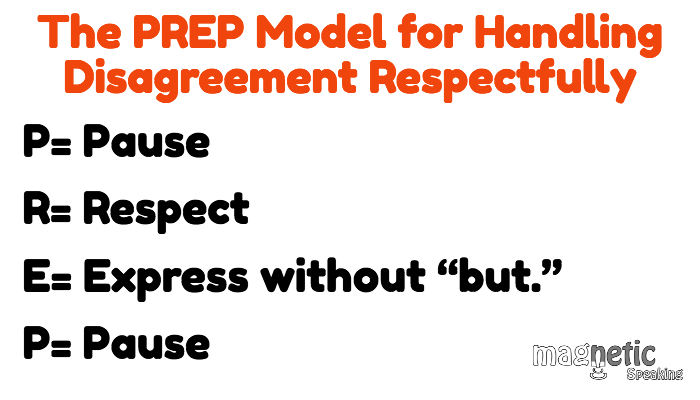
Navigating disagreements with your boss is a crucial skill for career advancement and a positive work environment. Understanding common workplace scenarios and practicing respectful communication techniques can significantly improve your ability to handle these situations effectively. This section provides practical examples, demonstrating how to apply the methods discussed previously to common workplace disagreements.
Disagreement About a Project Deadline
This situation involves a conflict regarding the feasibility of a project deadline. You believe the deadline is unrealistic, potentially leading to compromised quality or employee burnout.Here’s how to handle it respectfully:* Preparation: Gather data supporting your concerns. This might include estimated time for tasks, potential roadblocks, and similar project timelines.* Choosing the Right Time and Place: Schedule a private meeting with your boss.
Avoid discussing this in front of other team members.* Framing Your Disagreement Constructively: Begin by acknowledging the goal and the importance of the project.
“I understand the urgency of the [Project Name] project and the importance of meeting the deadline.”
* Presenting Alternatives and Solutions: Offer a revised timeline, explaining the rationale behind it.
“Based on my assessment, completing the project to the desired quality within the current deadline may be challenging. I propose we adjust the deadline to [New Date], which allows for [Specific tasks] and mitigates the risk of [Potential risks].”
* Using “I” Statements and Avoiding Blame: Focus on your observations and concerns.
“I’m concerned that the current timeline doesn’t allow sufficient time for thorough testing, which could impact the final product’s quality.”
* Active Listening and Understanding Your Boss’s Perspective: Listen to your boss’s reasoning and address their concerns. They might have external pressures or different priorities.* Following Up After the Conversation: After the meeting, summarize the agreed-upon actions and deadlines in an email. This ensures clarity and accountability.
Disagreement About a Marketing Strategy
This scenario involves a difference of opinion on the best marketing approach for a new product or service.Here’s a breakdown of how to approach this disagreement:* Preparation: Research the proposed strategy and identify potential flaws or alternative approaches. Gather data to support your viewpoint, such as market research, competitor analysis, and past campaign performance.* Choosing the Right Time and Place: Request a meeting to discuss your concerns and present your alternative strategy.* Framing Your Disagreement Constructively: Start by acknowledging the overall marketing goals.
“I agree that increasing brand awareness and generating leads are crucial for the success of [Product/Service].”
* Presenting Alternatives and Solutions: Present your alternative strategy with supporting data.
“While I understand the proposed strategy, I believe that focusing on [Your alternative strategy, e.g., social media marketing] would be more effective based on [Specific data/research]. This approach could potentially reach a wider audience and generate more qualified leads at a lower cost.”
* Using “I” Statements and Avoiding Blame: Express your perspective without attacking the original proposal.
“I believe that focusing on [Your suggested approach] would yield better results because…”
* Active Listening and Understanding Your Boss’s Perspective: Listen to your boss’s reasoning for their preferred strategy. They might have insights into factors you haven’t considered.* Managing Your Emotions: Remain calm and professional, even if you feel strongly about your viewpoint.
Disagreement About Resource Allocation
This involves a conflict about how company resources (budget, personnel, equipment) are distributed among different projects or departments.Here’s a respectful approach:* Preparation: Analyze the current resource allocation and identify areas where you believe it could be improved. Gather data on project needs, potential ROI, and impact on different teams.* Choosing the Right Time and Place: Schedule a meeting with your boss to discuss resource allocation.* Framing Your Disagreement Constructively: Start by acknowledging the company’s overall goals and the need for efficient resource management.
“I understand the importance of allocating resources effectively to maximize the company’s success.”
* Presenting Alternatives and Solutions: Suggest a different allocation strategy, providing supporting data and a clear rationale.
“I believe that reallocating [Specific resources, e.g., budget, personnel] to the [Specific project/department] would lead to [Specific benefits, e.g., increased efficiency, higher ROI]. For example, the [Project Name] project is currently understaffed, which is causing delays. By assigning [Number] additional staff members to the project, we can improve efficiency by [Percentage].”
* Using “I” Statements and Avoiding Blame: Focus on the impact of the current allocation and your suggested solutions.
“I’m concerned that the current allocation is not fully optimizing the resources. I believe that by adjusting [Specific resources], we can improve the outcomes of [Project/Department].”
* Active Listening and Understanding Your Boss’s Perspective: Listen to your boss’s explanation for the current allocation and address their concerns. They may have specific reasons for the decisions.* Following Up After the Conversation: After the meeting, summarize the key points and any agreed-upon changes in an email.
Common Mistakes to Avoid
Avoiding common pitfalls is crucial for a productive and respectful disagreement with your boss. Making these mistakes can damage your professional reputation, hinder your career progression, and create unnecessary conflict. Understanding and actively avoiding these errors will significantly improve your ability to navigate disagreements effectively.
Being Unprepared and Disorganized
Failing to prepare adequately is a significant mistake. Presenting your disagreement without sufficient research, data, or a clear understanding of the issue can undermine your credibility.
- Lack of Research: Not gathering enough information to support your viewpoint. This includes failing to understand the rationale behind your boss’s decision, the potential consequences of the decision, and alternative solutions.
- Disorganized Presentation: Presenting your disagreement in a chaotic and unclear manner. This includes rambling, jumping between ideas, and failing to articulate your points logically.
Impact: Makes your argument weak and easily dismissed. It suggests a lack of diligence and professionalism. It can also lead to you being perceived as uninformed or not taking the issue seriously.
Avoidance: Before the conversation, thoroughly research the issue. Collect data, analyze the situation, and understand the background. Consider the potential impact of your boss’s decision and the benefits of your alternative. Have concrete examples to support your claims. For instance, if you disagree with a marketing campaign strategy, provide data on past campaigns, industry trends, and the potential ROI of your proposed approach.
This preparation demonstrates that you’ve considered the issue carefully and are committed to finding the best solution.
Impact: Makes it difficult for your boss to understand your point of view. It can frustrate your boss and lead them to disregard your concerns. It can also make you appear disorganized and unprofessional.
Avoidance: Structure your thoughts logically. Create an Artikel, use clear and concise language, and present your arguments in a step-by-step manner. Use visuals such as charts, graphs, or tables to illustrate your points. Practice your presentation beforehand to ensure a smooth and coherent delivery. For example, if you are suggesting a change in project management software, create a presentation that first Artikels the current system’s drawbacks, then presents your recommended software with its benefits, and finally, shows a comparison of costs and features.
Being Disrespectful and Aggressive
Maintaining respect is paramount during a disagreement. Using disrespectful language, exhibiting aggressive behavior, or attacking your boss personally can quickly derail the conversation and damage your professional relationship.
- Using Disrespectful Language: Employing rude, condescending, or offensive language. This includes using sarcasm, insults, or making dismissive remarks.
- Exhibiting Aggressive Behavior: Raising your voice, interrupting, or displaying other aggressive body language.
- Making Personal Attacks: Criticizing your boss’s character, intelligence, or motives.
Impact: Alienates your boss and makes them defensive. It undermines your credibility and makes it difficult to have a productive conversation. It can also lead to disciplinary action.
Avoidance: Always use polite and professional language. Avoid accusatory statements and focus on the issue, not the person. Frame your disagreement in a constructive way, such as: “I understand the rationale behind this decision, but I have some concerns…”
Impact: Intimidates your boss and escalates the conflict. It makes it difficult to have a rational discussion and can damage your professional reputation.
Avoidance: Control your emotions and remain calm. Speak in a clear, moderate tone. Practice active listening to understand your boss’s perspective. Take a break if the conversation becomes too heated. If you feel yourself getting angry, take a deep breath and pause before responding.
Impact: Destroys trust and makes it impossible to have a productive conversation. It is a form of workplace harassment and can lead to serious consequences.
Avoidance: Focus on the issue at hand, not on your boss’s personal attributes. Avoid making assumptions about their intentions. If you disagree with a decision, address the decision itself, not the person who made it. For instance, instead of saying “You always make bad decisions,” say, “I have concerns about the potential impact of this decision on our team’s productivity.”
Failing to Listen and Understand
Effective communication requires active listening. Failing to understand your boss’s perspective can lead to misunderstandings and prevent you from finding common ground.
- Interrupting Your Boss: Not allowing your boss to finish their thoughts or ideas.
- Not Seeking to Understand Their Perspective: Not trying to understand the rationale behind your boss’s decision.
- Dismissing Their Concerns: Ignoring or belittling your boss’s concerns or opinions.
Impact: Makes your boss feel unheard and disrespected. It prevents you from fully understanding their perspective and can lead to miscommunication.
Avoidance: Let your boss speak without interruption. Listen attentively to their points and take notes. Wait until they have finished speaking before presenting your viewpoint. Show that you are actively listening by nodding, making eye contact, and asking clarifying questions.
Impact: Makes it difficult to find common ground. It can lead to you making irrelevant arguments and missing the core of the issue. It can also make your boss feel that you are not taking their perspective seriously.
Avoidance: Ask clarifying questions to understand your boss’s reasoning. For example, “Could you explain the reasons behind this decision?” or “What are the key factors you considered?” Try to see the situation from their point of view. Even if you disagree, showing that you understand their perspective demonstrates respect and facilitates a more productive conversation. This might involve asking, “What are the primary objectives you are trying to achieve with this strategy?”
Impact: Damages your relationship and makes it difficult to build trust. It makes your boss feel that their opinions are not valued. It can also lead to them dismissing your concerns in the future.
Avoidance: Acknowledge your boss’s concerns, even if you disagree with them. Show empathy and respect for their viewpoint. For instance, you might say, “I understand your concerns about budget constraints,” even if you believe your proposal is still viable. Even if you don’t agree with their reasoning, validating their feelings helps create a more collaborative environment.
Focusing on the Wrong Issues
Directing your disagreement toward irrelevant points can distract from the core issue and make it difficult to find a solution.
- Dwelling on Past Mistakes: Bringing up past failures or mistakes that are not directly related to the current disagreement.
- Focusing on Minor Details: Getting bogged down in unimportant details instead of addressing the main issue.
Impact: Creates defensiveness and distracts from the current issue. It can lead to a blame game and prevent you from focusing on finding a solution.
Avoidance: Focus on the present and future. Avoid bringing up past mistakes unless they are directly relevant to the current discussion. If past mistakes are relevant, keep the focus on the lessons learned and how to avoid similar issues in the future.
Impact: Wastes time and prevents you from reaching a resolution. It can make you appear nitpicky and distract from the bigger picture.
Avoidance: Identify the core issue and stay focused on it. Avoid getting sidetracked by minor details. Prioritize the most important points and present them clearly and concisely. For instance, when discussing a project timeline, focus on the key milestones and potential risks, rather than the color of the font used in the project plan.
Failing to Present Solutions
Simply pointing out problems without offering potential solutions is often unproductive. Providing alternatives demonstrates initiative and a commitment to finding a resolution.
- Complaining Without Offering Solutions: Simply voicing your concerns without suggesting alternative approaches.
- Being Unwilling to Compromise: Refusing to consider any alternative approaches or adjust your position.
Impact: Makes you appear negative and unhelpful. It can make your boss feel that you are simply complaining without offering any constructive feedback.
Avoidance: Always propose solutions or alternative approaches. Even if your proposed solution isn’t perfect, it shows that you are committed to finding a resolution. Research and prepare several possible solutions. For example, if you disagree with a new policy, suggest an alternative policy that addresses the same issue in a different way.
Impact: Makes it difficult to reach a mutually agreeable solution. It can make you appear inflexible and unwilling to collaborate.
Avoidance: Be willing to compromise and find common ground. Consider your boss’s perspective and be open to adjusting your position. Look for areas where you can both agree. For instance, you might agree on a phased implementation of a new process, or you might find a solution that combines elements of both your and your boss’s ideas.
Building a Positive Relationship with Your Boss

Building a positive working relationship with your boss is crucial for your career growth, job satisfaction, and overall workplace experience. A strong relationship facilitates open communication, mutual respect, and a collaborative environment. This section details how to foster and maintain such a relationship.
The Significance of a Positive Working Relationship
A positive relationship with your boss is more than just being friendly; it’s a strategic advantage. It significantly impacts your career trajectory.
- Improved Communication: A strong relationship fosters open and honest communication, making it easier to share ideas, provide feedback, and address concerns. This clarity minimizes misunderstandings and enhances productivity.
- Increased Trust and Respect: When you have a positive relationship, trust and respect are built. Your boss is more likely to value your input, consider your perspectives, and provide opportunities for growth.
- Enhanced Career Advancement: A positive relationship often leads to increased visibility and opportunities for advancement. Your boss is more likely to advocate for you and support your career goals.
- Greater Job Satisfaction: Working in a supportive environment, where you feel valued and respected, significantly increases job satisfaction. This reduces stress and improves your overall well-being.
- Reduced Conflict: When a strong relationship is in place, conflicts are less frequent and easier to resolve. This creates a more harmonious and productive work environment.
Establishing Trust and Rapport
Building trust and rapport requires consistent effort and a genuine approach. It’s about demonstrating reliability, showing respect, and finding common ground.
- Demonstrate Competence: Consistently deliver high-quality work and meet deadlines. This builds your boss’s confidence in your abilities.
“Reliability is the cornerstone of trust.”
-Stephen Covey - Be Proactive: Anticipate your boss’s needs and take initiative. Offer solutions to problems before they are identified.
- Communicate Effectively: Keep your boss informed of your progress, challenges, and successes. Be clear, concise, and professional in your communications.
- Show Respect: Value your boss’s time, opinions, and experience. Treat them with courtesy and professionalism.
- Find Common Ground: Identify shared interests or values to build a personal connection. This could be anything from a shared hobby to a similar work ethic.
- Be Authentic: Be yourself and let your personality shine through. Authenticity builds genuine connections.
- Listen Actively: Pay attention when your boss speaks, ask clarifying questions, and show that you understand their perspective.
Maintaining a Respectful and Productive Relationship
Maintaining a positive relationship requires ongoing effort and a commitment to respectful behavior.
- Regular Communication: Schedule regular check-ins to discuss progress, challenges, and goals. This ensures you are aligned and informed.
- Provide Constructive Feedback: When offering feedback, focus on specific behaviors and provide suggestions for improvement. Avoid personal attacks.
- Acknowledge Achievements: Recognize your boss’s accomplishments and contributions. Show appreciation for their efforts.
- Respect Boundaries: Understand and respect your boss’s time and personal space. Avoid excessive demands or inappropriate behavior.
- Be a Team Player: Support your boss’s decisions and goals. Work collaboratively with colleagues to achieve common objectives.
- Manage Disagreements Professionally: When disagreements arise, address them respectfully and constructively. Focus on finding solutions. Refer to previous sections on respectfully disagreeing with your boss.
- Seek Mentorship: Consider asking your boss for guidance and advice. This demonstrates respect for their experience and expertise.
Methods for Presenting Your Viewpoint
Presenting your viewpoint effectively is crucial for respectful disagreement. This involves choosing the right approach to ensure your boss understands your perspective while maintaining a positive working relationship. The following table Artikels various methods to achieve this, along with descriptions and example phrases.
Methods for Presenting Your Viewpoint: Table
This table provides a concise overview of different methods for presenting your viewpoint during a respectful disagreement. It aims to offer practical strategies that can be implemented in various workplace scenarios.
| Method | Description | Example Phrase |
|---|---|---|
| Direct and Concise | State your viewpoint clearly and directly, avoiding ambiguity. Be confident in your stance but remain respectful. | “I understand your perspective, but I believe that [your viewpoint] would be a more effective approach because [reason].” |
| Acknowledging and Then Presenting | Begin by acknowledging your boss’s perspective before introducing your own. This shows that you’ve listened and understood their viewpoint. | “I appreciate your point about [boss’s point]. However, I have concerns about [your viewpoint], particularly in regards to [specific issue].” |
| Suggesting Alternatives | Propose alternative solutions or approaches. This demonstrates a proactive attitude and a willingness to find a better solution. | “While I understand the initial plan, have we considered [alternative solution]? It might address [specific concern] more effectively.” |
| Providing Supporting Evidence | Back up your viewpoint with data, facts, or examples. This adds credibility and helps justify your position. | “Based on the data from [source], implementing [your viewpoint] has resulted in [positive outcome] in similar situations. This contrasts with the current plan’s potential for [negative outcome].” |
| Focusing on Impact | Explain the potential impact of your viewpoint or the proposed solution. Emphasize the benefits for the team, project, or company. | “I believe that adopting [your viewpoint] will lead to [positive impact], such as increased efficiency, reduced costs, or improved team morale.” |
Phrases to Soften Your Tone
When disagreeing with your boss, the words you choose are just as important as the substance of your argument. Using softening phrases can make your disagreement more palatable and increase the chances of your boss being receptive to your perspective. These phrases demonstrate respect and a willingness to collaborate, making the conversation more productive.
Effective Softening Phrases
Here are seven phrases designed to soften the tone of your disagreement:
-
“I understand your perspective, and I see how that approach makes sense. However, I’m wondering if we could also consider…”
This phrase acknowledges your boss’s viewpoint before introducing your own. It validates their position, making you appear less confrontational and more collaborative. The “However, I’m wondering if…” gently introduces your alternative.
-
“That’s an interesting idea. I’ve been thinking about this too, and I have a slightly different suggestion…”
This phrase starts with a positive affirmation, showing you value their input. It positions your disagreement as a slight variation rather than a complete contradiction, making your boss less likely to feel challenged. The phrase “slightly different suggestion” is less assertive than “alternative solution.”
-
“Could we explore the possibility of…? I’m a little concerned about…”
This phrase is polite and tentative. It frames your disagreement as a question, inviting discussion rather than issuing a direct challenge. Expressing a concern softens the tone by focusing on potential problems rather than criticizing the initial idea.
-
“While I appreciate the intention behind this, I’m a bit hesitant about… Perhaps we could consider…”
This phrase starts by acknowledging the positive aspects of the proposed idea, showing that you understand and value your boss’s goals. The “While I appreciate the intention…” approach is a diplomatic way of stating your reservations before proposing an alternative.
-
“I see the benefits of that approach, but I’m also thinking about… Would it be possible to…”
This phrase begins by recognizing the value of your boss’s idea, demonstrating that you are not simply dismissing it. It then introduces your alternative as a possibility, framed as a question to encourage open dialogue.
-
“From my understanding, the potential downside could be… To mitigate this, what if we…”
This phrase shifts the focus to potential risks and suggests solutions. It frames your disagreement as a concern about potential problems and proposes a way to address them. The “From my understanding” indicates that you are not stating your opinion as fact, but as an informed perspective.
-
“I’m not entirely sure I’m following. Could you clarify the rationale behind…?”
This phrase is useful if you don’t fully understand your boss’s idea. It’s a non-confrontational way to seek more information, allowing you to identify potential issues and then formulate a more informed response. Asking for clarification demonstrates your willingness to understand the bigger picture before disagreeing.
Blockquote Sample Conversation Starters
Starting a conversation about a disagreement respectfully is crucial for a productive outcome. The initial words you choose can significantly influence your boss’s receptiveness and the overall tone of the discussion. Carefully crafted conversation starters help set a positive foundation, encouraging open communication and a willingness to understand different perspectives.
Here are three distinct sample conversation starters designed to initiate respectful disagreements, each accompanied by an explanation of its effectiveness:
Initiating Conversations with Respectful Disagreement
The following examples illustrate effective ways to begin a discussion where you have a differing viewpoint. Each starter is designed to be non-confrontational and to encourage a collaborative approach.
“I’ve been giving some thought to the proposed project timeline, and I have a slightly different perspective on a few of the milestones. Would you be open to discussing them?”
This starter is effective because it acknowledges the existing plan while introducing a different viewpoint. The phrase “slightly different perspective” softens the disagreement, and asking “Would you be open to discussing them?” explicitly seeks permission and demonstrates respect for your boss’s opinion. This approach sets a collaborative tone, signaling your willingness to work together to find the best solution. The gentle introduction promotes a less defensive response from your boss.
“I understand the rationale behind the new marketing strategy, and I see some potential benefits. However, I’ve also identified a few possible challenges based on my experience with similar campaigns. Could we explore those?”
This approach begins by acknowledging the positive aspects of the plan, which demonstrates that you have considered the strategy’s merits and avoids immediately dismissing it. The phrase “I’ve also identified a few possible challenges” is less confrontational than stating outright that something is wrong. Framing the conversation as an exploration of challenges, rather than a direct criticism, encourages a more open and less defensive response.
By acknowledging the benefits upfront, you build trust and demonstrate a balanced perspective.
“I’ve been analyzing the data from the recent sales report, and I’ve come to a different conclusion regarding the key performance indicators (KPIs) we should prioritize. I’d like to share my analysis with you to see if we can align on the best approach moving forward.”
This conversation starter is effective because it is data-driven and focuses on analysis rather than personal opinions. By mentioning the data analysis and your differing conclusion regarding KPIs, you are presenting your perspective based on facts. The phrase “I’d like to share my analysis with you to see if we can align on the best approach moving forward” promotes collaboration and a shared goal.
This method shows initiative, a commitment to data, and a desire to work together to improve results. This can also lead to a more constructive discussion.
Final Thoughts
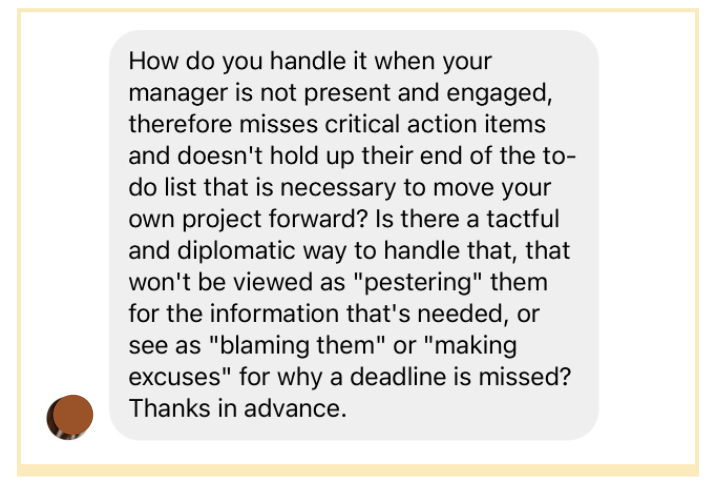
In conclusion, mastering the art of respectful disagreement is essential for both your professional development and the overall success of your workplace. By preparing thoroughly, choosing the right time and place, framing your arguments constructively, and actively listening to your boss’s perspective, you can transform potential conflicts into opportunities for collaboration and innovation. Remember to use “I” statements, offer solutions, manage your emotions, and follow up after the conversation to build a positive and productive relationship with your boss, ultimately leading to a more fulfilling and successful career.