Ever caught yourself saying “um” or “ah” mid-sentence? We all do! These filler words, while seemingly harmless, can significantly impact how your audience perceives you. This guide, How to Eliminate Filler Words Like ‘Um’ and ‘Ah’, will equip you with the knowledge and techniques to identify, reduce, and ultimately eliminate these distracting verbal habits, transforming your communication style.
This comprehensive guide explores the psychological reasons behind filler word usage, provides practical strategies for self-assessment, and offers immediate techniques for improvement. You’ll learn to harness the power of strategic pauses, develop better speaking habits, and implement long-term strategies for lasting change. We’ll cover everything from breath control exercises to the effective use of technology and the importance of practice and feedback, empowering you to become a more confident and articulate speaker.
Understanding Filler Words
Filler words, those seemingly innocuous sounds and phrases that pepper our speech, are a common communication phenomenon. While often overlooked, they can significantly impact how we are perceived and how effectively we convey our message. Understanding the underlying reasons for using filler words and their consequences is the first step toward eliminating them and improving your communication skills.
Psychological Reasons for Filler Word Usage
The use of filler words is often rooted in the cognitive processes of speech production. They are not typically a conscious choice, but rather a byproduct of how our brains work when we speak.
- Cognitive Load: Speaking requires significant cognitive effort. Our brains must retrieve words, construct sentences, and formulate thoughts in real-time. Filler words provide a brief pause, giving the brain time to catch up and process information before continuing.
- Uncertainty and Hesitation: When we are unsure of what to say, lack confidence, or are formulating a complex idea, filler words can act as placeholders. They signal to the listener that we are still thinking, even if we haven’t yet fully formed our next sentence.
- Habit and Automaticity: For many, using filler words has become a deeply ingrained habit. Over time, these words become automatic responses, even when not strictly necessary. This is particularly true in situations where we feel pressured to speak quickly or maintain the flow of conversation.
- Social Cues: Filler words can also be used to signal agreement, empathy, or to build rapport with the listener. For example, using “you know” can create a sense of shared understanding.
Common Filler Words and Variations
Filler words take many forms and can vary in their frequency depending on individual speaking styles, regional dialects, and the context of the conversation. It is important to recognize the range of these words and their variations to effectively address the issue.
- “Um” and “Ah”: These are perhaps the most universally recognized filler words. They often indicate a pause for thought or hesitation. Variations include drawn-out sounds like “umm” or “ahhh.”
- “Like”: Commonly used by younger generations, “like” can serve as a pause filler, a way to soften a statement, or to approximate an idea. Examples include “I was, like, so surprised” or “It was, like, a really big deal.”
- “So”: “So” is often used at the beginning of sentences, signaling a transition or a connection to a previous thought. It can also be used to buy time while formulating a response. Examples include “So, what do you think?” or “So, anyway…”
- “You know” and “I mean”: These phrases are used to create a sense of connection with the listener or to clarify a point. They can also be used as fillers.
- Other Phrases: Other common filler phrases include “basically,” “actually,” “literally,” “right,” and “okay.”
Negative Impact of Filler Words
The overuse of filler words can significantly detract from the effectiveness of your communication. While occasional use is normal, excessive reliance on these words can undermine your credibility, engagement, and overall message.
- Diminished Credibility: Frequent filler words can make you appear less confident, prepared, and knowledgeable. Listeners may perceive you as unsure of yourself or lacking expertise.
- Reduced Engagement: Filler words can disrupt the flow of your speech, making it harder for listeners to follow your train of thought. This can lead to disengagement and a loss of interest in your message.
- Negative Perception: Overuse of filler words can create a negative impression. You may be perceived as less articulate, less professional, or even less intelligent.
- Distraction: Filler words can become distracting for the listener, drawing attention away from the content of your message and focusing on your delivery. This is especially true if the filler words are used repetitively.
- Impact on Audience Retention: The constant use of filler words can make it more difficult for your audience to remember the core message of your speech or presentation.
Identifying Your Filler Word Habits
Pinpointing your specific filler word tendencies is the crucial first step in eliminating them. This self-assessment process will help you become more aware of when and how you use these distracting words, enabling you to actively work on reducing their frequency. By understanding your individual patterns, you can tailor your practice and strategies for maximum effectiveness.
Self-Assessment Strategy for Identifying Filler Word Usage
A self-assessment strategy involves systematically tracking your speech to identify and analyze your filler word habits. This can be achieved through various methods, each offering unique insights into your communication patterns. The goal is to gather data, not to judge yourself, but to understand your speech behavior objectively.
- Record Your Speech: The initial step is to record yourself speaking. This can be done using a smartphone, computer, or any recording device. The key is to capture natural speech, so choose situations where you’d normally talk, such as during a conversation, a presentation, or even while explaining a task.
- Transcribe Your Speech: After recording, transcribe your speech. This involves writing down everything you said, including the filler words. You can use speech-to-text software or manually transcribe the recording. This step provides a written record for detailed analysis.
- Identify Filler Words: Once transcribed, carefully review the text and highlight or underline all the filler words (e.g., “um,” “ah,” “like,” “so,” “you know”). Be thorough and consistent in your identification.
- Quantify Usage: Count the number of times each filler word appears in your speech. This provides a baseline measure of your usage. Calculate the total number of filler words and compare this to the total word count to determine the percentage of filler words in your speech.
- Repeat and Track: Repeat this process regularly (e.g., weekly or bi-weekly) and track your progress. Create a simple chart or spreadsheet to monitor the frequency of each filler word over time. This will show you how your habits are changing as you implement strategies to reduce them.
Techniques to Record and Analyze Speech Patterns
Effective recording and analysis techniques are essential for gaining a deep understanding of your speech patterns. Utilizing these methods allows for a more comprehensive assessment of your filler word usage.
- Audio Recording: Simple and readily available. Use your phone or computer to record conversations, presentations, or any situation where you speak. The audio format is easy to review multiple times.
- Video Recording: Captures both audio and visual cues. Observing your body language and facial expressions can provide context and reveal other nervous habits that might accompany filler word use.
- Speech-to-Text Software: Software like Otter.ai or Google Docs’ voice typing automatically transcribes your speech, saving time and effort in the transcription process. Review the transcript for accuracy, especially regarding filler words.
- Manual Transcription: Requires more time but allows for a closer examination of your speech. Listening to the recording and typing out every word gives you a detailed understanding of your patterns.
- Real-Time Feedback (with a Partner): Ask a friend, colleague, or speech coach to listen to your speech and provide immediate feedback on your filler word usage. This can be particularly helpful during practice sessions or presentations. They can provide you with a visual cue such as a hand raise whenever you use a filler word.
- Self-Feedback (using a counter): During practice, use a physical or digital counter to track the number of filler words you use. This provides immediate awareness and encourages you to pause before using a filler.
Pinpointing Situations or Topics That Trigger Filler Word Use
Understanding the triggers for your filler word usage is crucial for targeted improvement. Identifying these triggers enables you to proactively manage your speech in specific situations.
- Identify Common Situations: Determine the contexts in which you tend to use filler words most frequently. Are they more common during presentations, in informal conversations, when discussing complex topics, or when you are feeling nervous?
- Analyze Topic Complexity: Evaluate whether certain topics or subject matters prompt more filler word use. Do you use more filler words when discussing unfamiliar subjects or when you need to explain complicated concepts?
- Consider Emotional States: Reflect on your emotional state when using filler words. Are you more likely to use them when you are stressed, anxious, or unsure of yourself?
- Examine Audience Dynamics: Analyze how your audience influences your speech. Do you use more filler words when speaking to a large audience, a critical audience, or a friendly audience?
- Keep a Speech Journal: Maintain a journal to record the circumstances surrounding each instance of filler word use. Note the topic, your emotional state, the audience, and any other relevant factors. This provides a detailed record for pattern analysis.
- Conduct a ‘Filler Word Audit’: For a set period, like a week, consciously listen to your speech and note the context each time you use a filler word. Create a simple table to record the situation, the topic, the emotion, and any other observations. This data can reveal patterns.
Date Situation Topic Emotion Other Observations 2024-07-01 Meeting with Manager Project Status Update Slightly Anxious Used “um” while explaining technical details. 2024-07-02 Casual Conversation Weekend Plans Relaxed Used “like” frequently.
Immediate Techniques for Reducing Filler Words
Now that you understand the nature of filler words and have identified your personal habits, it’s time to implement strategies to actively minimize their use. These techniques focus on real-time adjustments you can make while speaking to significantly improve clarity and reduce those distracting “ums” and “ahs.”
Incorporating Strategic Pauses into Speech
Pauses are powerful tools in speech. They allow your audience to process information, and they also give
you* time to gather your thoughts, thereby reducing the urge to fill the silence with filler words.
- Embrace the Silence: The most fundamental technique is to simply pause. Instead of immediately reaching for a filler word, consciously embrace the silence. This can feel awkward initially, but it’s a sign you’re actively thinking and formulating your next thought.
- Pause Before and After Key Points: Deliberately pause
-before* you deliver a crucial point to build anticipation and
-after* to allow the information to sink in. This also gives you a moment to mentally prepare for the next sentence. - Use Pauses for Emphasis: A well-placed pause can emphasize a particular word or phrase. This technique is often used by skilled public speakers to create dramatic effect.
- Practice with a Timer: Record yourself speaking on a topic. Then, use a timer to measure the duration of your pauses. Aim to gradually increase the length and frequency of your pauses over time.
Slowing Down Speaking Pace
Speaking too quickly often leads to filler words as the speaker’s brain struggles to keep up with the mouth. Consciously slowing down can provide the necessary time to formulate thoughts and reduce the reliance on these verbal crutches.
- Conscious Effort: Make a deliberate effort to speak more slowly. This might feel unnatural at first, but it will become more comfortable with practice.
- Visualize a Calm Pace: Imagine yourself speaking to someone who needs time to understand. This can help you naturally slow down your delivery.
- Record and Analyze: Record yourself speaking and listen back, paying attention to your speaking pace. Compare it to examples of effective speakers.
- Use Breath Control: Take deeper breaths and speak at the end of each exhalation. This will naturally slow down your pace and improve your vocal projection.
Replacing Filler Words with Silence or Concise Phrases
The ultimate goal is to consciously replace filler words with more effective communication techniques. This involves a two-pronged approach: directly substituting filler words with silence and using brief, clarifying phrases when necessary.
- The Silent Substitution: The most direct approach is to simply pause instead of saying “um” or “ah.” This is the foundation of all other techniques.
- Use Thoughtful Phrases: Replace filler words with concise phrases that indicate you are thinking or transitioning between ideas. For example, instead of “um, let me see,” try “Let me think…” or “That’s a good question.”
- Practice with Specific Replacements: Identify your most common filler words and create a list of suitable replacement phrases. Practice using these phrases in various speaking scenarios.
- Example of a Successful Transformation: Imagine you’re explaining a complex concept. Instead of, “So, um, the process involves, ah, you know, a few steps…”, try “The process involves three steps: First… Second… Third…” This is clearer, more confident, and free of filler.
Developing Better Speaking Habits
Improving your speaking habits is a journey, not a destination. It involves conscious effort and consistent practice. By focusing on breath control, thought organization, and effective rehearsal techniques, you can significantly reduce filler words and become a more confident and articulate speaker.
Exercises for Breath Control and Vocal Projection
Breath control and vocal projection are fundamental to clear and impactful speech. Proper breathing ensures a steady flow of air, which is essential for avoiding filler words and maintaining vocal power. Vocal projection allows your voice to be heard clearly, even in noisy environments.
- Diaphragmatic Breathing: This technique, also known as belly breathing, involves engaging the diaphragm. Place one hand on your chest and the other on your abdomen. Inhale deeply through your nose, allowing your abdomen to rise while keeping your chest relatively still. Exhale slowly through your mouth, feeling your abdomen fall. Practice this for several minutes each day.
- Controlled Exhalations: Practice exhaling slowly and steadily. Inhale deeply and then count as you exhale, aiming to extend the count with each repetition. This helps build breath control and endurance.
- Vocal Warm-ups: Before speaking, warm up your vocal cords. Start with simple humming exercises, gradually increasing the pitch and volume. Then, try tongue twisters to improve articulation.
- Vocal Projection Drills: Practice speaking in a clear and resonant voice, projecting your voice as if you are addressing a large audience. Imagine your voice traveling across a room. Record yourself and listen back to identify areas for improvement.
- Posture and Resonance: Stand or sit with good posture. Straighten your back, relax your shoulders, and lift your chin slightly. This posture opens up your airways and allows for better vocal resonance. Experiment with different vowel sounds, focusing on how they resonate in your chest and head.
Practices for Pre-Planning and Structuring Thoughts Before Speaking
Organizing your thoughts before you speak is crucial for delivering a coherent and filler-free message. Pre-planning allows you to structure your ideas logically, anticipate potential questions, and choose your words carefully.
- Artikel Your Main Points: Before speaking, create a brief Artikel of your key points. This helps you stay on track and avoid rambling. Use bullet points or a mind map to visualize the structure of your presentation or conversation.
- Develop a Clear Introduction and Conclusion: Start with a strong introduction that grabs the audience’s attention and clearly states your purpose. End with a concise conclusion that summarizes your main points and leaves a lasting impression.
- Use Transition Words: Incorporate transition words and phrases to connect your ideas and guide your audience through your presentation. Examples include “however,” “in addition,” “for example,” and “therefore.”
- Practice Active Listening: When preparing for a conversation, anticipate potential questions and prepare thoughtful responses. This demonstrates that you are considering the other person’s perspective.
- Write Out Your Thoughts: Writing down your thoughts before speaking can help you organize them and identify areas where you might use filler words. This allows you to refine your wording and choose more precise language.
Guide on How to Rehearse Speeches and Presentations Effectively
Effective rehearsal is the cornerstone of confident and polished speaking. It allows you to refine your delivery, identify areas for improvement, and build familiarity with your material.
- Practice Out Loud: Rehearse your speech or presentation out loud, as if you were delivering it to an audience. This helps you get comfortable with the pacing, rhythm, and flow of your words.
- Record Yourself: Record your rehearsals to identify areas where you can improve your delivery. Pay attention to your use of filler words, body language, and vocal projection.
- Time Yourself: Time your speech or presentation to ensure that you stay within the allotted time. Adjust your content as needed to fit the time constraints.
- Practice in Front of a Mirror: Practicing in front of a mirror helps you become aware of your body language and facial expressions. Ensure you maintain eye contact and use appropriate gestures.
- Seek Feedback: Ask a friend, colleague, or mentor to watch your rehearsal and provide constructive feedback. They can offer valuable insights on your delivery, content, and overall impact.
- Vary Your Practice Environment: Rehearse in different environments to simulate the conditions of your actual presentation. This helps you adapt to different acoustics and distractions.
- Use Technology: Utilize presentation software with a “speaker notes” feature to help you remember key points and transitions. Also, use software to track your filler words and speech pace.
Long-Term Strategies for Filler Word Elimination

Eliminating filler words isn’t a quick fix; it’s a journey of self-improvement and consistent practice. While immediate techniques provide instant relief, long-term strategies are essential for solidifying your progress and achieving lasting results. This section focuses on building a foundation for sustained fluency and confident communication.
Identifying Resources for Professional Speech Coaching and Training
Investing in professional guidance can significantly accelerate your progress. Speech coaches and training programs offer personalized feedback and structured exercises to help you overcome filler word habits. Choosing the right resources requires careful consideration.
- Speech Coaches: Speech coaches provide one-on-one instruction tailored to your specific needs. They can identify your unique filler word triggers, provide targeted exercises, and offer ongoing support. Look for coaches with experience in your field and a proven track record of success. Consider these points:
- Credentials and Experience: Verify the coach’s qualifications, certifications, and years of experience. Look for coaches with backgrounds in communication, public speaking, or related fields.
- Client Testimonials: Read reviews and testimonials from previous clients to gauge the coach’s effectiveness and teaching style.
- Specialization: Determine if the coach specializes in addressing filler words or has experience working with individuals in your industry.
- Training Programs and Workshops: Group-based training programs and workshops offer a more structured learning environment. These programs often cover a range of communication skills, including filler word reduction. Some reputable programs include:
- Toastmasters International: Toastmasters provides a supportive environment for practicing public speaking and receiving feedback. Members give prepared speeches and receive evaluations, helping them become more comfortable and confident speakers. The program’s focus on structured speeches and feedback can indirectly reduce filler words.
- Corporate Training Programs: Many companies offer in-house or external communication training programs that address filler word reduction. These programs are often tailored to the specific needs of employees.
- Online Courses: Numerous online platforms offer courses on public speaking and communication skills. Some courses specifically address filler words and provide exercises and resources for improvement.
- University Programs: Many universities offer courses in public speaking, communication, and rhetoric. These courses provide a comprehensive understanding of communication principles and techniques.
Comparing Different Public Speaking Courses and Their Focus on Filler Word Reduction
Different public speaking courses employ various approaches to filler word reduction. Understanding these approaches can help you select a course that aligns with your learning style and goals. The emphasis on filler words varies considerably.
- Emphasis on Content and Delivery: Some courses prioritize content creation and overall delivery. They teach you to structure your speeches effectively, engage your audience, and use vocal variety to maintain interest. While not directly focused on filler words, these skills can indirectly reduce their frequency by increasing your confidence and fluency.
Example: A course that teaches storytelling techniques can help you craft more engaging narratives, reducing the need to fill pauses with filler words.
- Specific Exercises for Filler Word Reduction: Courses that directly address filler words typically include exercises such as:
- Pause Training: Practicing deliberate pauses to replace filler words.
- Vocal Warm-ups: Preparing the vocal cords to improve fluency.
- Recording and Analysis: Recording your speeches and identifying instances of filler words.
- Role-Playing and Feedback: Practicing speeches in a simulated environment and receiving constructive feedback.
Example: A course might have students practice giving a short speech while consciously pausing after each sentence to avoid using filler words.
- Use of Technology: Some courses utilize technology to aid in filler word reduction.
- Speech Analysis Software: Software that analyzes your speech and identifies instances of filler words.
- Virtual Reality (VR) Training: VR simulations to practice public speaking in a realistic environment.
Example: A course might use software to track a student’s filler word usage during a practice speech, providing visual feedback on their progress.
Detailing Strategies for Building Confidence and Reducing Nervousness, Leading to Fewer Filler Words
Nervousness is a major contributor to filler word usage. Building confidence and managing anxiety can significantly reduce the frequency of these verbal tics. This involves both mental and physical preparation.
- Preparation and Practice: Thorough preparation is the cornerstone of confidence.
- Artikel Your Speech: Create a clear and concise Artikel to organize your thoughts.
- Rehearse Out Loud: Practice your speech multiple times, focusing on delivery and pacing.
- Record Yourself: Record your practice sessions to identify areas for improvement, including filler words.
- Practice in Front of Others: Practice your speech in front of friends, family, or colleagues to get feedback and build confidence.
Example: A sales representative preparing for a presentation would create a detailed Artikel, practice the presentation multiple times, and then rehearse in front of colleagues to refine their delivery and minimize nervousness.
- Mental Strategies: Employing positive self-talk and visualization techniques can reduce anxiety.
- Positive Self-Talk: Replace negative thoughts with positive affirmations. Remind yourself of your strengths and past successes.
- Visualization: Visualize yourself giving a successful speech, feeling confident and in control.
- Focus on Your Message: Concentrate on conveying your message to the audience rather than worrying about your performance.
Example: Before a presentation, an executive might tell themselves, “I am prepared, knowledgeable, and capable of delivering this message effectively.” They would also visualize themselves confidently presenting the information.
- Physical Techniques: Managing the physical symptoms of nervousness can help you stay calm.
- Deep Breathing Exercises: Practice deep, slow breathing to calm your nerves.
- Physical Activity: Engage in physical activity, such as exercise or a short walk, to release tension.
- Proper Hydration and Nutrition: Stay hydrated and eat a balanced meal before your speech to maintain energy levels.
- Relaxation Techniques: Employ relaxation techniques, such as meditation or progressive muscle relaxation.
Example: A student preparing for an exam might practice deep breathing exercises to manage anxiety and stay focused during the test.
The Role of Practice and Feedback
Consistent practice and constructive feedback are crucial for eliminating filler words and improving overall speaking fluency. Think of it like learning a musical instrument; regular practice and the guidance of a skilled instructor are essential for progress. This section explores how to effectively integrate practice and feedback into your filler word reduction strategy.
Soliciting Constructive Feedback
Obtaining feedback from others provides valuable insights into your speaking habits that you might not notice yourself. To make the feedback process as helpful as possible, consider these points:
- Choose the Right People: Select individuals who are supportive, honest, and willing to provide constructive criticism. This could be trusted friends, family members, colleagues, or a speech coach.
- Provide Context: Explain to your feedback providers that you are working on reducing filler words and ask them to specifically listen for and note instances of “um,” “ah,” and other verbal pauses.
- Use a Feedback Form: Create a simple form to guide feedback. This ensures consistency and helps the feedback providers focus on specific areas. The form can include sections for:
- Instances of filler words used.
- Situations where filler words were most frequent (e.g., during transitions, when searching for a word).
- Overall clarity and flow of speech.
- Suggestions for improvement.
- Practice Different Speaking Scenarios: Vary the scenarios in which you practice. These could range from informal conversations to formal presentations. This will help you adapt your skills to different contexts.
- Be Open to Criticism: Remember that the feedback is intended to help you improve. Avoid becoming defensive and instead, actively listen and consider the suggestions.
- Follow Up: After receiving feedback, take time to analyze it and identify patterns in your filler word usage. Use this information to adjust your practice and target specific areas for improvement.
Recording and Reviewing Your Speech
Self-assessment is a powerful tool for identifying and correcting filler word habits. Recording your speech allows you to objectively analyze your performance and track your progress.
- Choose a Recording Method: Utilize a voice recorder on your smartphone, a dedicated recording device, or video recording software. Ensure the recording quality is clear enough to accurately capture your speech.
- Select Speaking Material: You can practice with pre-written scripts, extemporaneous speeches, or even just engage in casual conversations. The key is to choose content that allows you to focus on your speaking style.
- Listen Actively: After recording, listen to your speech carefully. Pay close attention to the frequency and context of your filler words.
- Transcribe (Optional): Transcribing your speech can be a helpful method to visually identify filler words. You can use speech-to-text software or manually transcribe the recording.
- Use a Counter: Keep track of the number of filler words used per minute or per speech. This will help you monitor your progress over time.
- Identify Triggers: Note the situations or topics that tend to trigger the use of filler words. This could be when you are unsure of the answer, transitioning between ideas, or feeling nervous.
- Analyze Your Recordings: Review your recordings regularly to assess your progress and identify areas that need further attention. For example, if you consistently use “um” when hesitating, you can focus on techniques to reduce hesitation, such as pausing strategically.
Creating a Practice and Self-Improvement Plan
A structured plan ensures consistent practice and facilitates measurable progress. A plan will help you establish a routine and stay motivated.
- Set Realistic Goals: Start with achievable goals, such as reducing the number of filler words used per minute by a specific percentage within a certain timeframe. For example, aim to reduce your filler word count by 10% over the next month.
- Schedule Regular Practice Sessions: Dedicate specific times each week for practice. Consistency is key. Even short, frequent practice sessions are more effective than infrequent, long ones.
- Incorporate Targeted Exercises: Practice techniques discussed in previous sections. For example, practice pausing, using silence effectively, or replacing filler words with more descriptive phrases.
- Track Your Progress: Regularly record your speech and analyze your performance. Document your progress to monitor your improvement and stay motivated.
- Adjust Your Plan as Needed: If you are not seeing the desired results, reassess your plan and make adjustments. You may need to modify your goals, practice techniques, or the frequency of your practice sessions.
- Celebrate Your Successes: Acknowledge and celebrate your progress, no matter how small. This will help you stay motivated and reinforce positive habits.
By incorporating these strategies, you can create a sustainable practice and self-improvement plan that will lead to significant progress in reducing your use of filler words and improving your overall speaking fluency.
Advanced Techniques
Adapting your speaking style to your audience and the context of your presentation is crucial for effective communication. It involves tailoring your language, tone, and delivery to resonate with your listeners and achieve your desired outcome. This section explores how to navigate these complexities and enhance your ability to communicate confidently and persuasively.
Adapting Speaking Style to Audience and Context
Understanding your audience and the setting is fundamental to delivering a successful presentation. Consider factors such as the audience’s background, their existing knowledge of the topic, their expectations, and the overall purpose of your speech.
- Audience Analysis: Before you speak, research your audience. Determine their demographics (age, profession, education), their interests, and any potential biases they might have. Tailor your language and examples to connect with them. For instance, a presentation to a group of engineers would likely require technical detail, whereas a presentation to a general audience might need simpler explanations and relatable analogies.
- Contextual Awareness: The context of your presentation, including the venue, time, and occasion, significantly impacts your delivery. A formal conference requires a more structured and professional tone than a casual workshop. A lunchtime presentation may need to be shorter and more concise than a longer evening lecture.
- Language and Tone: Adjust your language and tone to match the audience and context. Avoid jargon or overly complex terminology if your audience is unfamiliar with the subject. Use a friendly and approachable tone for informal settings and a more formal tone for professional environments.
- Delivery Style: Vary your delivery style to keep the audience engaged. Use gestures, maintain eye contact, and modulate your voice to emphasize key points. For example, in a sales pitch, a dynamic and enthusiastic delivery might be beneficial, while in a training session, a more measured and instructional approach could be more appropriate.
- Adapting to Feedback: Be prepared to adapt your presentation in real-time based on audience reactions. Watch for signs of confusion or disinterest and adjust your approach accordingly. This might involve clarifying points, providing additional examples, or changing the pace of your delivery.
Handling Unexpected Questions
Unexpected questions are a common occurrence in presentations and can be a source of anxiety. Developing strategies to handle these questions effectively can help you maintain composure and avoid filler words.
- Prepare Anticipatory Answers: Anticipate potential questions based on your topic and audience. Prepare answers in advance, including supporting data or examples.
- Take a Moment: When faced with an unexpected question, take a moment to gather your thoughts. Avoid rushing into an answer. Pausing allows you to formulate a clear and concise response and helps to prevent the use of filler words.
- Repeat or Rephrase the Question: Repeating or rephrasing the question can buy you time and ensure you understand the question accurately. This also gives the audience a clear understanding of what you are addressing.
- Provide a Direct Answer: Answer the question directly, if possible. If you don’t know the answer, be honest. It’s better to admit you don’t know than to provide inaccurate information or use excessive filler words. You can offer to find the answer and follow up.
- Defer the Question: If the question is off-topic or requires a more detailed explanation than time allows, defer the question to a later time. Offer to discuss it after the presentation or provide a follow-up email.
- Use Bridging Techniques: If the question is difficult or potentially controversial, use bridging techniques to transition to a more comfortable topic. For example, you might say, “That’s an interesting point, and it relates to…” and then redirect the conversation.
Using Visual Aids to Enhance Speech Delivery
Visual aids, such as slides, images, and videos, can significantly enhance your presentation by supporting your message and keeping the audience engaged. However, effective use requires careful planning and execution.
- Choose Appropriate Visuals: Select visual aids that complement your message and are relevant to your audience. Avoid using visuals that are overly complex or distracting.
- Keep Slides Simple: Slides should support your spoken words, not replace them. Use concise text, bullet points, and visuals to illustrate key points. Avoid overcrowding slides with text.
- Use High-Quality Images and Graphics: Use high-resolution images and professionally designed graphics to make your presentation visually appealing. Avoid using low-quality or pixelated images.
- Incorporate Data Visualization: Use charts, graphs, and other data visualizations to present complex information in an easy-to-understand format. This can make your presentation more engaging and memorable.
- Practice with Visual Aids: Practice your presentation with your visual aids to ensure a smooth and seamless delivery. Make sure you know when to advance slides and how to use any interactive elements.
- Maintain Eye Contact: While using visual aids, maintain eye contact with your audience. Don’t read directly from your slides. Use them as prompts to guide your delivery.
- Examples of Effective Visuals:
- A chart illustrating sales growth over time: This helps the audience quickly grasp the trend. Imagine a line graph showing a company’s revenue increasing steadily over the past five years. The x-axis represents the years, and the y-axis represents the revenue in millions of dollars. The graph clearly demonstrates the company’s financial success.
- A diagram explaining a complex process: This simplifies a complex concept. Consider a diagram of the human heart, with labeled parts and arrows showing the flow of blood. This visual aid helps the audience understand the heart’s function.
- A compelling image or video: This can capture attention and convey emotion. A video showcasing a product in action can be more engaging than a verbal description.
Using Technology to Help
Technology offers powerful tools to accelerate your filler word elimination journey. From real-time feedback to detailed analysis, these resources can provide invaluable insights into your speaking habits and help you track your progress effectively. This section explores how to leverage technology to gain a deeper understanding of your filler word usage and improve your communication skills.
Identifying Speech Recognition Software That Tracks and Highlights Filler Words
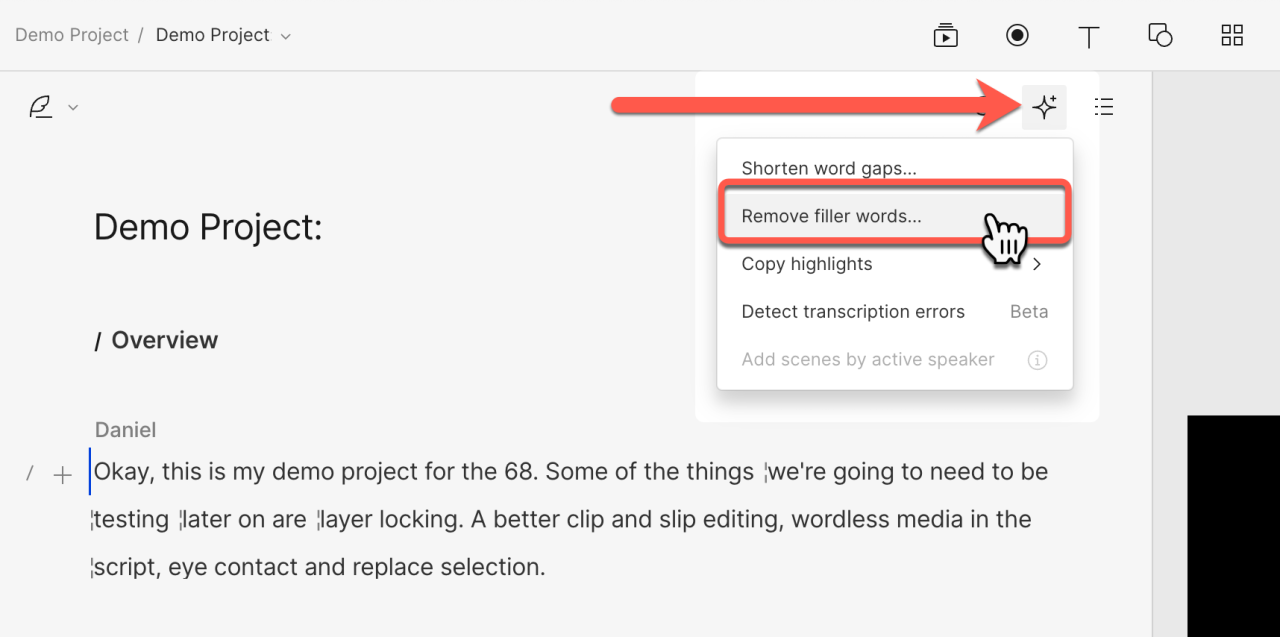
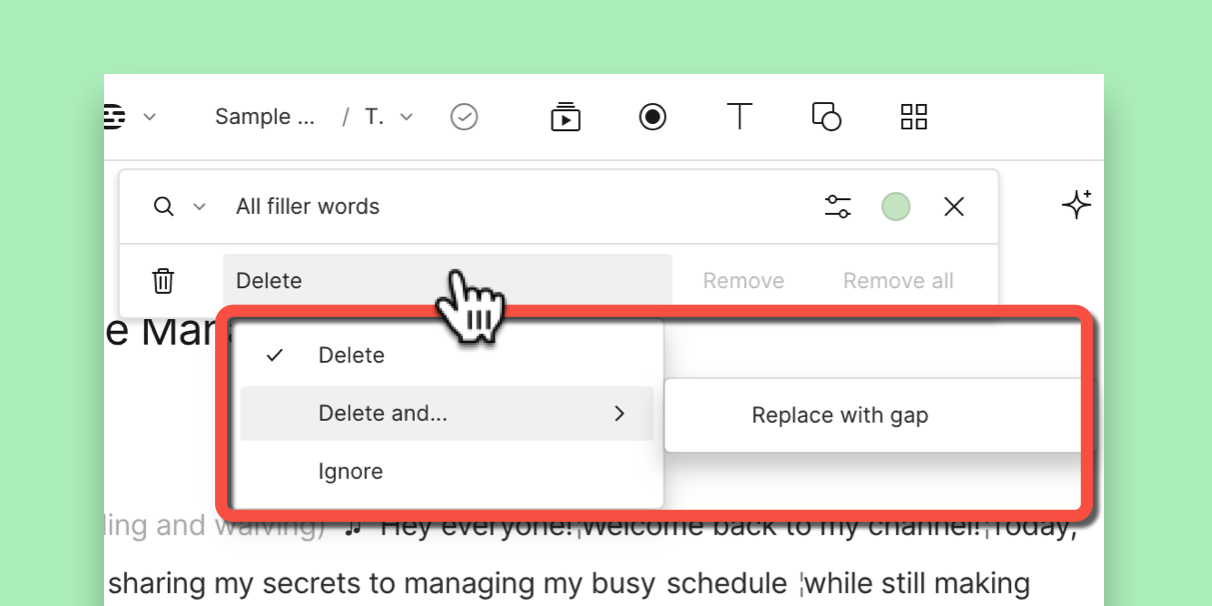
Speech recognition software has become increasingly sophisticated, providing detailed analyses of spoken language. Many programs now offer features specifically designed to identify and highlight filler words like “um,” “ah,” “like,” and “so.” This allows you to immediately see where these words are occurring in your speech, providing crucial awareness.
- Real-time Feedback: Some software provides live feedback as you speak, visually marking filler words as they are detected. This allows for immediate adjustments during presentations or conversations.
- Transcription and Analysis: Many programs generate transcripts of your speech, with filler words clearly marked or highlighted. This enables you to review your recordings and identify patterns in your filler word usage.
- Reporting and Metrics: Some advanced tools offer reports and metrics, such as the number of filler words per minute or the percentage of speech occupied by filler words. This helps you track your progress over time.
Creating a Comparison Table of Different Apps and Tools for Speech Analysis
Selecting the right speech analysis tool depends on your specific needs and preferences. This comparison table highlights some popular options, focusing on their key features and functionalities to help you make an informed decision. Remember that features and pricing can change; always check the latest information on the software provider’s website.
| Tool | Key Features | Pros | Cons |
|---|---|---|---|
| Otter.ai | Real-time transcription, speaker identification, filler word detection and highlighting, audio recording, note-taking. | User-friendly interface, integrates well with other apps, good accuracy in transcription. | Limited features in the free version, subscription required for advanced functionality. |
| Descript | Audio and video editing, transcription, filler word removal (one-click), multiple speaker identification. | Powerful editing features, very efficient for removing filler words, good for video editing. | Can be expensive, steep learning curve for some editing features. |
| Google Docs (with Voice Typing) | Free transcription, filler word identification (less sophisticated than dedicated apps), accessible across devices. | Completely free, easily accessible, integrates with Google Drive. | Transcription accuracy can vary, filler word detection is basic, no advanced analysis features. |
| Speechelo | Text-to-speech software, converts text into realistic human-sounding speech, emphasis on voice quality and tone. | Useful for practicing speaking, creating audio for presentations, offers multiple voice options. | Focus is on text-to-speech, not direct filler word analysis, transcription is not its primary function. |
Using Video Recording for Self-Assessment and Feedback
Video recording is a powerful tool for self-assessment, offering a visual and auditory record of your speaking style. Reviewing your videos allows you to identify filler words, analyze your body language, and assess your overall presentation skills.
- Recording Yourself: Regularly record yourself speaking, whether it’s a practice presentation, a mock interview, or a casual conversation.
- Watching and Listening Critically: Review the video with a critical eye, focusing on your use of filler words, pacing, and overall delivery. Listen carefully for “um,” “ah,” and other verbal pauses.
- Taking Notes: Keep a notebook and jot down every instance of a filler word. Note the context in which it occurs, such as before a specific word or phrase. This will help you identify triggers.
- Analyzing Body Language: Pay attention to your body language. Do you fidget, make excessive hand gestures, or avoid eye contact? These habits can be distracting.
- Seeking External Feedback: Share your videos with trusted friends, colleagues, or a speech coach for additional feedback. They may notice things you missed.
- Tracking Progress: Keep a log of your recordings and track your progress over time. Note the number of filler words used in each recording and how your delivery improves.
Common Pitfalls and How to Avoid Them
Eliminating filler words is a journey, not a destination. Many individuals, eager to improve their speaking, encounter common obstacles that can hinder their progress. Recognizing these pitfalls and learning how to navigate them is crucial for achieving fluency and a natural speaking style. This section delves into these common mistakes and offers practical strategies to overcome them.
Over-Correction and Unnatural Speech
A frequent misstep is overcompensating for filler words. The initial enthusiasm to eliminate “um” and “ah” can lead to an overly deliberate and stilted speaking style. This can be as off-putting as the filler words themselves.To avoid sounding robotic, consider these points:
- Focus on Pauses, Not Silence: The goal isn’t to eliminate all pauses. Strategic pauses are natural and allow for thought processing and emphasis. Instead of fearing silence, embrace it.
- Embrace Imperfection: Occasional slips are normal. Don’t strive for absolute perfection; it’s unattainable and can create anxiety. The focus should be on gradual improvement.
- Vary Your Pace: Speaking too quickly or too slowly can sound unnatural. Practice varying your pace to keep your audience engaged. A natural rhythm is key.
- Practice with Conversational Speech: Record yourself speaking in everyday conversations, not just prepared speeches. This helps you identify and correct filler words in real-time scenarios.
Lack of Awareness and Monitoring
A common pitfall is a lack of self-awareness regarding filler word usage. Without consistent monitoring, it’s difficult to track progress and identify patterns.To improve self-awareness and monitoring:
- Record Yourself Regularly: Record your conversations and presentations. Listening back allows you to objectively identify your filler words and the contexts in which you use them.
- Ask for Feedback: Ask trusted friends, colleagues, or a speech coach to listen to your speaking and provide feedback on your filler word usage.
- Use a Counter: Some apps or software can automatically count filler words in your speech. This provides tangible data on your progress.
- Track Your Progress: Keep a log of your practice sessions and note your progress. This can be motivating and help you identify areas needing more focus.
Ignoring the Underlying Causes
Simply trying to eliminate the symptoms (filler words) without addressing the root causes (nervousness, lack of preparation, or a need for thinking time) is ineffective.To address the underlying causes:
- Prepare Thoroughly: Thorough preparation reduces the need to search for words during a presentation or conversation. Know your material inside and out.
- Practice, Practice, Practice: Rehearse your speeches or talking points multiple times. This builds confidence and reduces anxiety.
- Manage Nervousness: Practice relaxation techniques, such as deep breathing exercises, before speaking.
- Improve Your Vocabulary: A broader vocabulary gives you more options for expressing yourself, reducing the need for filler words while you search for the right term.
Over-Reliance on Quick Fixes
Some individuals look for quick fixes, such as memorizing phrases to use instead of filler words. While these can provide temporary relief, they don’t address the underlying issues and can lead to an unnatural speaking style.To avoid over-reliance on quick fixes:
- Focus on Long-Term Strategies: Instead of looking for instant solutions, prioritize building good speaking habits through consistent practice and self-reflection.
- Understand Your Triggers: Identify the situations or emotions that trigger your filler word use. This awareness allows you to develop specific strategies to address these triggers.
- Develop Natural Pauses: Learn to use natural pauses to collect your thoughts. This is a more effective strategy than relying on canned phrases.
Examples and Case Studies
Understanding the impact of eliminating filler words is crucial for effective communication. Seeing concrete examples and case studies can provide valuable insights into how these techniques translate into real-world improvements. This section presents before-and-after examples, a successful case study, and a fictional scenario to illustrate the benefits of reducing filler words.
Before-and-After Examples of Filler Word Reduction
The following examples showcase the transformation that occurs when filler words are consciously removed from speech. These illustrate the clarity and impact achieved through deliberate practice.
- Example 1: Presentation Opening
- Before: “Um, so, like, today, I’m going to talk about, you know, the new marketing strategy. And, uh, it’s, like, really important.”
- After: “Today, I will present the new marketing strategy. It’s a critical initiative.”
- Impact: The “after” version is more direct, confident, and immediately grabs the audience’s attention. The removal of filler words makes the speaker sound more prepared and professional.
- Example 2: Answering a Question
- Before: “Well, ah, I think, um, the main reason, you know, is because of the, uh, market trends.”
- After: “The main reason is the current market trends.”
- Impact: The concise answer demonstrates confidence and clarity. The listener is more likely to trust the speaker’s expertise.
- Example 3: Describing a Process
- Before: “So, you, uh, take the, um, first step, and then, like, you, ah, do the second step. And, um, finally…”
- After: “First, take the initial step. Second, proceed with the second step. Finally…”
- Impact: The “after” example presents a clear, organized, and easy-to-follow explanation. The absence of filler words makes the process seem more straightforward.
Case Study: The Transformation of Sarah Miller
Sarah Miller, a mid-level manager, struggled with filler words during team meetings and presentations. Her frequent use of “um,” “ah,” and “you know” undermined her credibility and authority. Recognizing the issue, Sarah embarked on a dedicated plan to eliminate these habits.
Sarah’s Plan:
- Awareness: She recorded herself speaking during meetings and presentations, carefully noting every instance of filler words.
- Substitution: She practiced replacing filler words with strategic pauses.
- Practice: She used the mirror exercise daily, rehearsing presentations and practicing conversational speech.
- Feedback: She asked colleagues for feedback, focusing on her filler word usage.
Results:
After three months, Sarah significantly reduced her filler word usage. Her team members noticed a marked improvement in her clarity and confidence. Her presentations became more engaging, and her leadership style became more effective. She was subsequently promoted, attributing her success, in part, to her improved communication skills. This is a real-life example of how focused effort can transform speaking habits and positively impact professional advancement.
Fictional Scenario: Public Speaking Situation
Consider a public speaking scenario to illustrate the impact of filler words.
- Scenario: A sales representative is giving a presentation about a new product to potential clients.
- Version 1: With Filler Words
- “So, um, our new product, you know, is, like, really great. Ah, it has, um, a lot of features. And, uh, it, you know, helps, um, with, ah, productivity.”
- Impact: The speaker appears unprepared, nervous, and lacks confidence. The audience might lose interest and doubt the product’s value.
- Version 2: Without Filler Words
- “Our new product offers significant advantages. It boasts numerous features and enhances productivity.”
- Impact: The speaker sounds confident, knowledgeable, and persuasive. The audience is more likely to be engaged and convinced of the product’s benefits. The direct and concise language creates a professional and trustworthy image.
End of Discussion
In summary, mastering the art of eliminating filler words like ‘um’ and ‘ah’ is an achievable goal. By understanding the root causes, implementing practical techniques, and embracing consistent practice, you can transform your speaking style. This journey involves self-awareness, strategic pauses, and a commitment to clear, concise communication. Armed with the knowledge and tools provided, you’re well-equipped to speak with greater confidence and captivate your audience, leaving a lasting positive impression.