Ever felt your audience drifting off during a presentation? Or perhaps they seemed to grasp every word with rapt attention? The key to captivating your listeners lies in mastering your speaking pace. This guide, “How to Speak at the Right Pace for Your Audience,” delves into the art and science of delivering your message effectively, ensuring your words resonate, regardless of your audience or content.
We’ll explore how to tailor your speed to different demographics, presentation styles, and even the complexity of your information. From understanding how audience attention spans influence your delivery to practical techniques like breathing exercises and strategic pausing, you’ll learn to control your pace for maximum impact. Get ready to transform your presentations from mundane recitations to dynamic, engaging experiences.
Understanding Audience Engagement and Pace
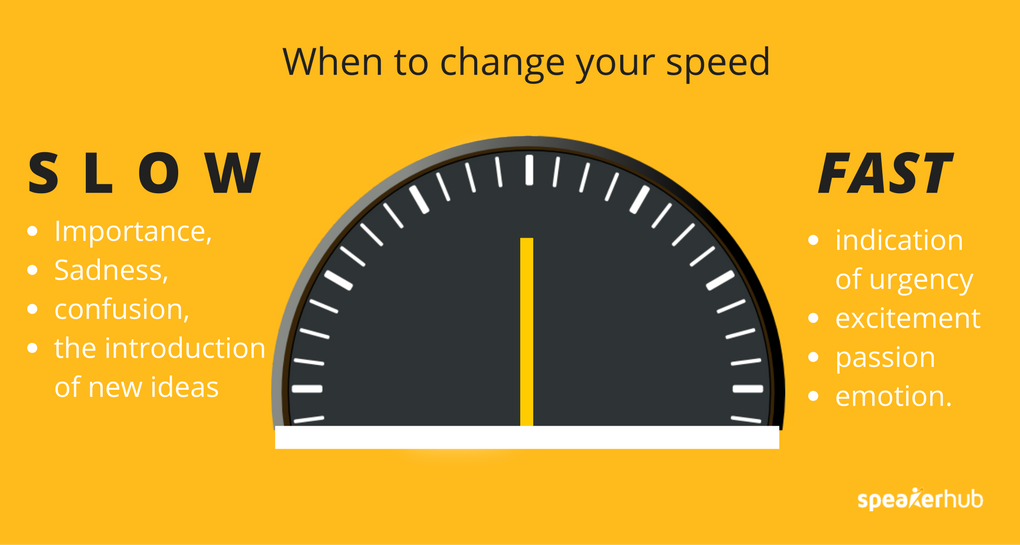
Understanding the right speaking pace is critical for effective communication. It directly impacts how well your audience receives, processes, and retains the information you present. Adjusting your pace to match your audience’s attention span and comprehension abilities ensures they stay engaged and understand your message.
Influence of Audience Attention Spans on Optimal Speaking Pace
Audience attention spans are finite and vary widely based on factors like age, interest, and the presentation’s nature. Speaking too quickly can overwhelm an audience, leading to information overload and disengagement. Conversely, speaking too slowly can cause boredom and a loss of focus.
Varying Paces for Different Audience Demographics
Different demographics necessitate different speaking paces. Consider the following examples:
- Children: Children generally have shorter attention spans. Speakers should use a faster, more energetic pace, incorporating frequent pauses for emphasis and visual aids to maintain engagement. Simple language and clear, concise sentences are crucial. For example, a teacher reading a story to elementary school students would speak at a pace that is lively and engaging, perhaps around 130-160 words per minute.
- Elderly Individuals: Elderly audiences may require a slower pace to allow for processing time and accommodate potential hearing impairments. Clear enunciation and a deliberate pace are key. Speaking too quickly can make it difficult for them to follow along. A presenter at a senior center might aim for 100-130 words per minute, ensuring each point is clearly articulated.
- General Adults: Adults typically have a wider range of attention spans. The optimal pace depends on the complexity of the material and the presentation’s purpose. A pace between 120 and 150 words per minute is often effective for general audiences, allowing for comprehension while maintaining engagement.
Relationship Between Speaking Pace and Audience Comprehension Levels
Speaking pace and comprehension are directly correlated. A slower pace generally allows for better comprehension, especially when dealing with complex information or technical jargon. However, a pace that is too slow can lead to disinterest and a decline in retention. The goal is to find a balance that facilitates understanding without sacrificing engagement.
“The optimal speaking pace is a dynamic variable, influenced by the audience, the material, and the context of the presentation.”
Ideal Speaking Pace Ranges for Various Presentation Types
The appropriate speaking pace varies depending on the presentation’s objective. Here’s a table illustrating recommended word-per-minute ranges for different presentation types:
| Presentation Type | Ideal Speaking Pace (Words Per Minute) | Notes |
|---|---|---|
| Informative | 120-150 | Focus on clarity and accuracy. Allow time for audience to process information. |
| Persuasive | 130-160 | Employ a slightly faster pace to build excitement and urgency. Vary pace for emphasis. |
| Storytelling | 110-140 | Use pauses and changes in pace to build suspense and create emotional impact. |
| Training/Instructional | 110-140 | Emphasize clarity and provide ample time for audience questions and practice. |
| Technical/Complex | 100-130 | Speak slower and provide more details, using clear definitions and visual aids. |
Factors Influencing Speaking Pace

Understanding the factors that influence your speaking pace is crucial for delivering a presentation that resonates with your audience. These factors are interconnected and require careful consideration to ensure your message is both understood and engaging. Adjusting your pace based on these elements will significantly improve your ability to connect with your listeners and achieve your communication goals.
Content Complexity and Speaking Speed
The complexity of your content directly impacts the appropriate speaking speed. Densely packed information or technical jargon requires a slower pace to allow for comprehension. Conversely, simpler topics can be delivered at a quicker rate.Consider these points:
- Technical Presentations: When presenting complex scientific data or intricate financial models, slowing down significantly is essential. Allow ample time for your audience to process the information, potentially using pauses after key points to allow for reflection.
- Storytelling: In contrast, when narrating a compelling story, you might vary your pace, speeding up during moments of excitement and slowing down during moments of reflection or suspense.
- Use of Jargon: Minimize jargon whenever possible. If unavoidable, define terms clearly and speak slowly when introducing them. Provide visual aids like diagrams or definitions on slides to aid understanding.
- Examples: A presentation on quantum physics would necessitate a slower pace than one on the history of pizza.
Speaker’s Emotional State and Delivery Pace
Your emotional state profoundly affects your speaking pace. Anxiety, excitement, or nervousness can lead to speaking too quickly, while calmness and confidence often result in a more measured delivery.Consider these points:
- Nervousness: Anxiety can cause you to rush through your presentation, making it difficult for the audience to follow. Practice your presentation repeatedly to build confidence and familiarity with the material.
- Excitement: Enthusiasm can sometimes lead to speaking too quickly. While passion is important, ensure your pace allows for clarity and comprehension.
- Confidence: A confident speaker generally presents at a more controlled pace, which enhances their credibility and allows the audience to absorb the information effectively.
- Example: Imagine giving a speech about a personal accomplishment. If you are overly excited, you might speak too quickly, making it difficult for your audience to fully appreciate your achievement. If you are nervous, you might rush through it, missing key details.
Environmental Impact on Perceived Pace
The physical environment in which you speak significantly influences how your pace is perceived. A large hall demands a slower, more deliberate pace to ensure audibility and clarity, whereas a smaller room might allow for a slightly faster, more conversational tone.Consider these points:
- Large Venues: In a large auditorium, your voice needs to carry, and a slower pace allows for better projection and comprehension across the distance. Use a microphone to amplify your voice.
- Small Rooms: In a smaller, more intimate setting, a faster pace may be acceptable, as your audience is closer and the need for projection is less critical.
- Acoustics: Poor acoustics in a room can make it difficult to hear, so adjust your pace accordingly. Speak more slowly and clearly to compensate.
- Example: Delivering a presentation in a vast convention center necessitates a different pace and volume than giving a workshop in a small conference room.
Impact of Visual Aids on Speaking Pace
Visual aids, such as slides and props, directly impact the pace at which you should speak. Slides containing complex information require a slower pace to allow the audience time to read and process the visuals. Props can provide natural pauses.Consider these points:
- Complex Slides: If your slides contain detailed charts, graphs, or dense text, slow down your speech to allow the audience time to absorb the information. Point out key elements and provide explanations.
- Simple Slides: Slides with minimal text and strong visuals can allow for a slightly faster pace, as the audience can quickly grasp the main points.
- Props: Props can be used to illustrate points and create natural pauses in your speech. Handling and demonstrating a prop can provide a visual break and a change of pace.
- Example: If presenting sales data on a slide, allow sufficient time for the audience to read the numbers and understand the trends before moving on. If you’re demonstrating a product, use the demonstration as a point of focus and speak at a moderate pace while explaining its features.
Techniques for Controlling Your Pace
Mastering your speaking pace is essential for effective communication. It’s about more than just speed; it’s about crafting a delivery that engages your audience and allows your message to resonate. This section dives into practical techniques to help you gain control over your pace, improve clarity, and maintain audience interest.
Breathing Exercises for Regulating Speaking Speed and Reducing Filler Words
Breathing exercises are fundamental to controlling your speaking pace and minimizing the use of filler words like “um,” “ah,” and “like.” These exercises help calm your nerves, regulate your airflow, and allow you to speak with greater precision and control. Practicing these techniques regularly will significantly improve your delivery.
- Diaphragmatic Breathing (Belly Breathing): This technique involves deep, slow breaths from your diaphragm. Place one hand on your chest and the other on your abdomen. As you inhale, your abdomen should rise while your chest remains relatively still. Exhale slowly, feeling your abdomen fall. This method encourages deeper, more controlled breaths, reducing the tendency to speak too quickly.
Practice this for 5-10 minutes daily.
- Box Breathing: Imagine a square. Inhale for a count of four, hold your breath for a count of four, exhale for a count of four, and hold your breath again for a count of four. Repeat this cycle. Box breathing is excellent for calming your nerves and focusing your attention, enabling you to speak at a more deliberate pace.
- Lip Trills and Tongue Rolls: These vocal warm-up exercises help relax your facial muscles and improve breath control. They also help you become more aware of your breath and how it affects your speech. Practice these before speaking to ensure you are relaxed and ready to project your voice.
Strategies for Pausing Effectively to Enhance Clarity and Impact
Pauses are powerful tools in public speaking. They allow your audience to process information, emphasize key points, and add drama to your delivery. Knowing when and how to pause can dramatically improve the impact of your message.
- Strategic Pauses After Key Statements: After delivering a critical piece of information, pause for a moment. This gives the audience time to absorb the content and consider its implications. It also adds weight to your words.
- Pauses Before Important Points: Before introducing a significant concept or a crucial piece of data, a brief pause can build anticipation and focus the audience’s attention.
- Pauses to Collect Your Thoughts: If you feel yourself losing your train of thought, a short pause is preferable to using filler words. It gives you time to gather yourself and maintain control of your delivery.
- Use of the “Pregnant Pause”: This involves a longer pause, usually 2-3 seconds, to create dramatic effect or allow the audience to fully grasp the emotional weight of your words. This is particularly effective during storytelling or when sharing personal experiences.
Techniques for Varying Pace to Maintain Audience Interest
Monotony is the enemy of engagement. Varying your speaking pace is crucial for keeping your audience interested and ensuring your message is memorable. Speed up for excitement, slow down for emphasis, and use a combination of techniques to create a dynamic and captivating presentation.
- Speeding Up for Excitement and Energy: When discussing an exciting event, a thrilling story, or a moment of high energy, increasing your speaking pace can reflect the enthusiasm and engage your audience on an emotional level.
- Slowing Down for Emphasis and Clarity: To highlight important information, slow down your pace. This gives the audience time to process the information and recognize its significance. It is particularly effective when presenting data, statistics, or complex concepts.
- Varying Pace Within Sentences: Use changes in pace within a single sentence to add emphasis. For example, you might speed up the delivery of less important words and slow down the delivery of key phrases or s.
- Using Pauses to Create Contrast: Alternating between faster and slower speaking speeds, punctuated by strategic pauses, creates a rhythmic and engaging flow that keeps the audience attentive.
Step-by-Step Guide for Practicing Pace Control Using a Recorded Speech
Practice is essential for mastering pace control. Recording yourself speaking and then analyzing your delivery allows you to identify areas for improvement and track your progress. Here’s a step-by-step guide to help you refine your pace.
- Record Your Speech: Choose a short speech or a segment of a longer presentation. Record yourself delivering the speech naturally, without consciously trying to control your pace initially.
- Listen and Identify Areas for Improvement: Listen back to your recording. Pay attention to the following:
- How quickly do you speak overall?
- Do you use filler words? If so, how often?
- Do you pause effectively? Where could you pause more?
- Are there any parts where you speak too quickly or too slowly?
- Mark Your Script: Print out a copy of your speech script. Use a pen or highlighter to mark sections where you should speed up, slow down, or pause. Use symbols to indicate the type and duration of pauses.
- Practice with Your Script: Reread your script, consciously implementing the changes you’ve marked. Focus on controlling your breathing, using pauses effectively, and varying your pace.
- Record a Second Time: Record yourself delivering the speech again, using the script as a guide.
- Compare and Analyze: Compare your second recording to your first. Note any improvements in your pace, the reduction of filler words, and the effectiveness of your pauses.
- Refine and Repeat: Continue to practice, making adjustments based on your analysis. Repeat steps 5 and 6 until you are satisfied with your delivery.
- Seek Feedback: If possible, ask a friend or colleague to listen to your recording and provide feedback. They can offer a fresh perspective on your pace and delivery.
Adapting Pace for Different Content Types
Knowing how to adjust your speaking pace based on the type of content you’re delivering is crucial for keeping your audience engaged and ensuring they understand your message. A one-size-fits-all approach to pacing will inevitably lead to disconnect and missed opportunities. By strategically altering your speed, you can enhance comprehension, emphasize key points, and create a more dynamic and compelling presentation.
Comparing News Delivery and Joke Telling
The ideal speaking pace drastically changes when delivering news versus telling a joke. The objectives of each are vastly different, requiring contrasting approaches to speed and delivery.News delivery prioritizes clarity, accuracy, and efficiency. The goal is to convey information effectively, allowing the audience to absorb facts and understand the context. A moderate and steady pace, allowing for clear articulation and minimal ambiguity, is generally preferred.
Pauses are used sparingly, primarily to separate distinct pieces of information.Joke-telling, conversely, relies on timing and anticipation to elicit laughter. The pace often fluctuates, with deliberate pauses used for dramatic effect and to build suspense. The punchline is usually delivered with a slight acceleration in pace or a change in vocal tone to create the desired impact.
Adjusting Pace for Technical Information and Personal Anecdotes
Presenting technical information requires a different approach than sharing personal anecdotes. Both require careful pacing, but for different reasons.When presenting technical information, a slower, more deliberate pace is often essential. The goal is to ensure the audience has sufficient time to process complex concepts, understand terminology, and follow the logical flow of information. Frequent pauses allow for reflection and provide opportunities for the audience to absorb the material.
Using visual aids, like diagrams and charts, can further support comprehension. For example, when explaining a complex scientific principle, the speaker might pause after each key term or step in a process, allowing the audience to process the information.Sharing personal anecdotes, on the other hand, allows for more flexibility in pacing. A faster pace can convey excitement or urgency, while a slower pace can emphasize emotion or build intimacy.
The speaker might vary their speed to match the emotional intensity of the story, speeding up during moments of excitement and slowing down during moments of reflection or vulnerability. For example, when sharing a story about a challenging experience, the speaker might slow down their pace to emphasize the difficulty they faced, and then speed up to show their resilience.
Annotated Speech Segment Example
Here’s a blockquote example of a speech segment, with annotations indicating where to adjust the pace:
“The findings (*Slight pause, moderate pace*) of our research ( *Slight pause*) clearly indicate ( *Slower pace, emphasis*) a significant correlation ( *Pause*) between… ( *Slight acceleration, building anticipation*) … the implementation of the new software ( *Emphasis, pause*) and a 30% increase ( *Slight pause*) in productivity. ( *Slight acceleration, almost a punchline delivery*) Furthermore, ( *Moderate pace*) we discovered… ( *Slight pause*) …a surprising benefit. ( *Slower pace, building suspense*) The software… ( *Pause*) …reduced the error rate… ( *Pause*) …by 15 percent.
( *Emphasis*)”
The annotations indicate strategic use of pauses and pace adjustments to emphasize key findings, build suspense, and maintain audience engagement.
Detailed Illustration Description
The illustration depicts a speaker, a woman with short brown hair and glasses, standing at a podium in front of an audience. She is mid-sentence, gesturing with her hands. Above her head are three speech bubbles, each representing a different type of content and a corresponding speaking pace.The first speech bubble, labeled “Technical Explanation,” shows a series of complex diagrams and mathematical formulas, with a word count of approximately 100 words.
The words are spaced out, reflecting a slower, more deliberate pace. The second speech bubble, labeled “Personal Anecdote,” shows a cartoon depiction of the speaker smiling, with a word count of approximately 150 words. The words are more closely spaced, suggesting a moderate pace. The third speech bubble, labeled “Humorous Remark,” depicts a laughing emoji and a punchline, with a word count of approximately 50 words.
The words are tightly packed, indicating a faster pace and emphasis on the final words. The different speech bubbles visually represent the speaker’s ability to adjust her pace based on the content she is delivering, creating a clear visual metaphor for effective communication. The audience is blurred in the background, suggesting that their focus is on the speaker and the information being presented.
Using Technology to Improve Pace
Technology offers valuable tools for speakers to analyze and refine their pace. By leveraging these resources, you can gain objective insights into your delivery, identify areas needing improvement, and ultimately become a more effective communicator. This section explores how to utilize various technological aids to achieve these goals.
Speech Analysis Tools for Measuring Speaking Rate
Speech analysis tools provide quantitative data on your speaking rate, allowing you to pinpoint specific areas where you might be speaking too quickly or slowly. These tools often analyze audio recordings, transcribing your speech and calculating metrics like words per minute (WPM), pauses, and filler word usage. Understanding these metrics enables targeted practice and improvement.
Utilizing Video Recording for Self-Assessment
Video recording is a powerful tool for self-assessment of your speaking pace and overall delivery. By recording yourself speaking, you can visually and audibly analyze your performance.
- Reviewing your recordings allows you to observe your body language, including any nervous habits that might affect your perceived pace.
- You can also assess your use of pauses, identifying areas where you might be rushing or speaking too quickly.
- Comparing your delivery with recordings of skilled speakers can provide valuable insights and benchmarks for improvement.
Presentation Software Features for Managing Speaking Time and Pace
Presentation software offers features designed to help you manage your speaking time and pace effectively. These tools provide real-time feedback, allowing you to stay on track and adjust your delivery as needed.
- Most presentation software includes a built-in timer, which helps you monitor how long you’ve been speaking and how much time you have remaining.
- Progress bars visually represent your progress through the presentation, allowing you to pace yourself and avoid rushing at the end.
- Some software also allows you to set alerts, such as visual or auditory cues, to remind you of time constraints.
Speech Analysis Tools and Their Key Features
Several speech analysis tools are available, each offering different features and capabilities. The following table provides an overview of some popular tools and their key functionalities.
| Tool | Key Features |
|---|---|
| Audacity (Free, Open Source) |
|
| Otter.ai (Subscription-Based) |
|
| Descript (Subscription-Based) |
|
| Grammarly (Subscription-Based) |
|
Practicing and Refining Your Delivery

Refining your speaking pace is a journey of practice, feedback, and adaptation. This section focuses on how to hone your delivery through structured practice, seeking constructive criticism, and simulating various speaking scenarios to ensure you connect effectively with your audience.
Organizing a Practice Schedule for Improving Speaking Pace and Rhythm
Establishing a consistent practice schedule is crucial for improving your speaking pace and rhythm. Regular practice allows you to internalize the techniques discussed earlier and build muscle memory, leading to a more natural and engaging delivery.Here’s a sample practice schedule you can adapt:
- Daily Warm-up (5-10 minutes): Start each day with vocal exercises. This could include tongue twisters, humming, or simply reading aloud with varying speeds. These exercises help to loosen your vocal cords and improve articulation. For example, practice saying “Peter Piper picked a peck of pickled peppers” at a slow, deliberate pace, then gradually increase your speed while maintaining clarity.
- Weekly Practice Sessions (30-60 minutes): Dedicate specific time slots each week for focused practice. This is where you’ll rehearse your actual presentations or speeches. Break down your content into sections and practice each section multiple times, paying close attention to your pacing.
- Monthly Performance Evaluations: Record yourself presenting a section of your material. Analyze your performance, focusing on your pace, pauses, and overall rhythm. Identify areas for improvement and adjust your practice accordingly. Compare your recordings from month to month to track your progress.
- Integration with Daily Activities: Incorporate pacing practice into everyday conversations. Be mindful of your pace when speaking to colleagues, friends, or family. This helps you develop a more natural and controlled speaking style in various settings.
Detailing Methods for Seeking Feedback on Speaking Pace from Trusted Sources
Obtaining feedback is essential for identifying areas where your speaking pace can be improved. Seeking feedback from trusted sources provides valuable insights and helps you refine your delivery.Here’s how to effectively seek feedback:
- Choose Trusted Sources: Select individuals who are willing to provide honest and constructive criticism. This could include colleagues, mentors, friends, or family members. Their perspective will help you see your strengths and weaknesses.
- Provide Context: Before your practice session, brief your feedback providers about the presentation’s purpose, your target audience, and the key message you want to convey. This helps them understand your goals and provide more relevant feedback.
- Use a Feedback Form: Create a simple feedback form with specific questions related to your speaking pace. This helps structure the feedback process and ensures you receive targeted insights. Consider including questions such as:
- Was the pace appropriate for the content?
- Did you feel the speaker paused at the right moments?
- Were there any sections that felt rushed or too slow?
- Were the key points clear and easy to understand?
- Record Your Sessions: Record your practice sessions to share them with your feedback providers. This allows them to observe your delivery and provide more accurate feedback on your pacing, pauses, and overall rhythm.
- Be Open to Criticism: Approach feedback with an open mind and a willingness to learn. View criticism as an opportunity for growth and improvement. Don’t take it personally; focus on the feedback itself and how you can use it to enhance your delivery.
- Implement the Feedback: Act on the feedback you receive. Make adjustments to your presentation based on the suggestions you’ve received. Practice incorporating the feedback into your delivery.
Elaborating on the Importance of Rehearsing with a Variety of Pacing Scenarios
Rehearsing with a variety of pacing scenarios allows you to adapt to different situations and ensure your delivery is effective regardless of the circumstances. This preparation can make you a more versatile and confident speaker.Here’s why rehearsing with various pacing scenarios is crucial:
- Adapting to Audience Needs: Different audiences may require different pacing. Rehearsing with various speeds enables you to adjust your delivery based on the audience’s comprehension level and engagement. For example, if you are speaking to a group with limited English proficiency, you might need to slow down your pace and use simpler language.
- Managing Time Constraints: Time constraints can vary. Rehearsing at different speeds helps you fit your content within the allotted time, whether it’s a brief elevator pitch or a longer presentation. Practice delivering your presentation at different speeds to fit various time slots.
- Handling Technical Difficulties: Technical issues can disrupt your flow. Practicing with various pacing scenarios enables you to maintain your composure and adjust your delivery if you encounter unexpected delays or technical glitches. For instance, if your slides are delayed, you can extend your pauses and elaborate on key points to fill the time.
- Enhancing Engagement: Varying your pace can make your presentation more engaging. Speeding up during exciting moments and slowing down to emphasize key points can keep your audience captivated. Experiment with different rhythms to add variety and interest to your delivery.
- Building Confidence: Rehearsing different scenarios builds your confidence. Knowing you can adapt to various situations will help you remain calm and composed, regardless of the challenges you face.
Creating Bullet Points Listing Common Pacing Pitfalls and How to Avoid Them During Presentations
Avoiding common pacing pitfalls is essential for delivering a clear and engaging presentation. Here’s a list of common pacing pitfalls and how to avoid them:
- Speaking Too Quickly:
- Pitfall: Rushing through your content, making it difficult for the audience to follow.
- Avoidance: Practice slowing down your pace. Incorporate pauses between key points and sentences. Record yourself speaking and identify areas where you can slow down.
- Speaking Too Slowly:
- Pitfall: Losing the audience’s attention due to a monotonous and drawn-out delivery.
- Avoidance: Vary your pace and rhythm. Use vocal inflections to maintain audience engagement. Practice delivering your content at a slightly faster pace to avoid dragging on.
- Lack of Pauses:
- Pitfall: Failing to provide the audience with time to process information, and reducing the impact of your key points.
- Avoidance: Deliberately incorporate pauses before and after important statements. Use pauses to emphasize key ideas, transition between topics, and allow the audience to reflect on what you’ve said.
- Rambling or Going Off-Topic:
- Pitfall: Losing focus and getting sidetracked, leading to a disorganized and confusing presentation.
- Avoidance: Prepare a clear Artikel and stick to it. Practice transitioning smoothly between topics. Use concise language and avoid unnecessary details. Regularly check the time to ensure you are on track.
- Ignoring Audience Cues:
- Pitfall: Failing to recognize when the audience is losing interest or struggling to understand.
- Avoidance: Pay attention to audience body language and facial expressions. Adjust your pace and delivery based on their reactions. Ask questions to gauge their understanding and rephrase complex concepts if necessary.
- Reading Directly from Slides:
- Pitfall: Sounding monotonous and disengaging, and hindering your ability to make eye contact.
- Avoidance: Memorize your content or use brief notes as prompts. Use the slides as visual aids, not as a script. Speak naturally and engage with the audience.
Final Conclusion
In conclusion, speaking at the right pace isn’t just about speed; it’s about connection. By understanding your audience, adapting to your content, and practicing your delivery, you can transform your presentations into memorable experiences. Remember the power of pauses, the impact of varying your pace, and the importance of continuous refinement. Now go forth and speak with confidence, knowing you have the tools to captivate and connect with any audience.