Want to captivate your audience and make your words truly unforgettable? How to Use Pauses to Add Power and Drama to Your Speech delves into the often-underestimated power of silence. Pauses aren’t just gaps in speech; they’re potent tools that can build anticipation, emphasize key points, and transform a simple presentation into a memorable experience.
This guide will equip you with the knowledge to master the art of the pause, from understanding its psychological effects to applying different types of pauses effectively. We’ll explore how timing, duration, and even nonverbal cues can enhance your delivery, ensuring your message resonates long after you’ve finished speaking.
Understanding the Power of Pauses
Pauses are not simply gaps of silence in a speech; they are potent tools that can dramatically enhance your message’s impact. By strategically incorporating pauses, you can control the audience’s attention, build anticipation, and emphasize critical information. This section explores the multifaceted power of pauses and how to harness them effectively.
Creating Anticipation
Pauses are essential in building anticipation within a speech. A well-timed pause can create a sense of suspense, making the audience eager to hear what comes next. This technique is particularly effective when revealing important information or transitioning between ideas.
- Before a Key Revelation: Pausing immediately before delivering a crucial piece of information can heighten its impact. For instance, consider a speech about a company’s success. Instead of immediately stating the profit margin, you could say, “And the results? After years of hard work and dedication, our profit margin this year… (pause) …increased by 30%!” The pause allows the audience to absorb the information fully.
- Building Suspense: Use pauses to create suspense, especially in storytelling or when discussing complex topics. Think of a suspenseful movie scene where the music cuts out just before a jump scare. This silence is the pause, amplifying the impact. In a speech, this might involve a dramatic pause before revealing a surprising statistic or a turning point in a narrative.
- Transitioning Between Ideas: Pauses can signal a shift in thought, guiding the audience through the speech’s structure. Before moving to a new section or topic, a brief pause lets the audience mentally prepare for the change.
Emphasizing Key Points
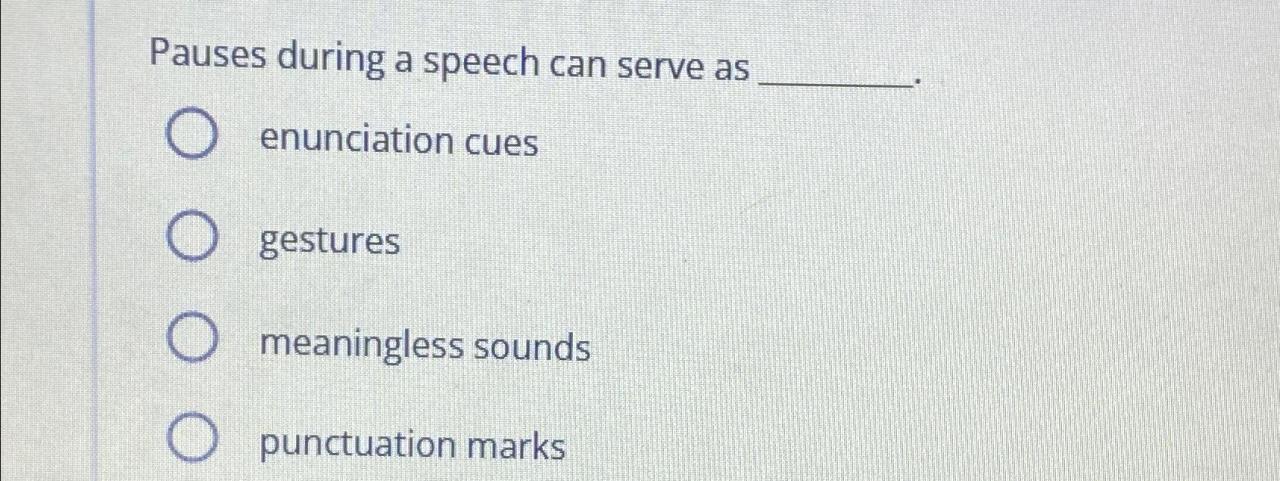
Pauses serve as a form of verbal punctuation, highlighting the most important parts of your message. They allow the audience to digest and retain information.
- After a Crucial Statement: A pause after a key statement ensures the audience understands and remembers it. This is like underlining a sentence in a book. After stating a critical point, pause to let the audience process the information. For example, “This new policy will streamline our operations… (pause) …saving the company millions of dollars.”
- Before a Definition or Explanation: Pausing before explaining a term or concept allows the audience to anticipate the information and focus their attention. For example, “The key to our success lies in… (pause) …strategic planning.”
- Using Pauses to Highlight Contrast: When contrasting two ideas, use a pause to emphasize the difference. For instance, “Some may argue that this approach is too risky… (pause) …but our data clearly shows its effectiveness.”
Psychological Effects on Audience Attention
Pauses affect the audience’s attention span by creating a sense of engagement and interest. They prevent mental fatigue and maintain focus.
- Breaking Monotony: Continuous speech can become monotonous, causing the audience to lose focus. Pauses break this monotony, keeping the audience engaged. The brain perceives changes in pace as stimulating, which helps sustain attention.
- Creating Mental Space: Pauses give the audience time to process the information. Without pauses, the audience may struggle to keep up, leading to disengagement. These mental breaks allow for better comprehension and retention.
- Increasing Perceived Credibility: Pauses can make the speaker appear more confident and in control. Hesitation, when used intentionally, can suggest careful thought and consideration.
Types of Pauses and Their Applications

Now that we understand the fundamental power of pauses in speech, let’s delve into the different types of pauses and how to strategically deploy them to amplify your message. Mastering these techniques will transform your delivery, making your speeches more engaging and impactful.
Distinguishing Pause Types
Pauses come in various forms, each serving a unique purpose. Understanding the distinctions between short, dramatic, and filled pauses is crucial for effective communication.
Here’s a breakdown:
- Short Pause: A brief moment of silence, typically lasting a second or two. It’s used for emphasis, creating a slight anticipation before or after a key phrase or word.
- Dramatic Pause: A longer pause, extending beyond two seconds. It’s employed to build suspense, allow the audience to process information, or highlight a significant point. It can also be used to convey a sense of gravitas or thoughtfulness.
- Filled Pause: These pauses are punctuated by sounds like “um,” “ah,” “like,” or other filler words. While they can sometimes be unavoidable, overuse diminishes credibility and distracts the audience. We aim to minimize these.
Using Short Pauses for Emphasis
Short pauses are powerful tools for highlighting specific words or phrases, making them stick in the audience’s mind.
Consider this example:
Original Sentence: “The project’s success depended on teamwork, dedication, and clear communication.”
Enhanced with a short pause: “The project’s success depended on… (pause) …teamwork, (pause) …dedication, and (pause) …clear communication.”
The pauses before each key element – teamwork, dedication, and clear communication – draw the listener’s attention to these critical components. This technique works because the brief silence creates anticipation, making the subsequent words more impactful. It’s like giving each word its own spotlight.
Designing a Scenario for Dramatic Pauses
Dramatic pauses excel in scenarios that require building suspense, conveying strong emotion, or emphasizing a significant revelation.
Imagine a scenario where a CEO is announcing the company’s record-breaking profits. The CEO might say:
“I’m delighted to announce… (dramatic pause, holding eye contact with the audience) …that this year has been our most successful yet. We have achieved record profits… (another dramatic pause) …exceeding all previous expectations.”
The dramatic pauses build anticipation and excitement, allowing the audience to fully absorb the good news. They heighten the impact of the announcement, making it more memorable and engaging. This technique capitalizes on the human tendency to be drawn to silence, creating a powerful effect.
Organizing Pause Types and Their Uses
The following table summarizes the different types of pauses and their applications, providing a quick reference guide.
| Type of Pause | Duration | Purpose | Example |
|---|---|---|---|
| Short Pause | 1-2 seconds | Emphasis, highlighting key words or phrases. | “We need… (pause) …to innovate, (pause) …adapt, and (pause) …succeed.” |
| Dramatic Pause | 2+ seconds | Building suspense, creating anticipation, emphasizing a significant point, conveying emotion. | “The evidence clearly shows… (dramatic pause) …that this was a deliberate act.” |
| Filled Pause | Variable (often brief) | Avoidance, hesitation, filler words. | “So, um, I think, like, we should go with this option.” |
Timing and Duration of Pauses
Mastering the timing and duration of pauses is crucial for transforming a good speech into a powerful and memorable one. The length of your pauses directly impacts the audience’s understanding, engagement, and emotional response. Knowing when and how long to pause is a skill honed through practice and mindful attention to the nuances of your message.
Factors Influencing Pause Length
The optimal duration of a pause isn’t a fixed rule; it’s a dynamic element that adapts to several factors. These factors work together to dictate the most effective pause length.
- Content Complexity: More complex or technical information requires longer pauses to allow the audience to process and absorb the details. For example, when explaining a complicated scientific concept, a longer pause after each key point will allow the audience time to reflect.
- Emotional Weight: High-emotion content often benefits from strategically placed pauses. A pause before or after a powerful statement or revelation allows the emotional impact to resonate with the audience. Consider a speech about overcoming adversity; a pause after sharing a particularly difficult challenge can amplify the message.
- Sentence Structure: The structure of your sentences influences the pause. Pauses are naturally placed at the end of sentences and clauses, but you can vary these pauses for dramatic effect. Use shorter pauses for fast-paced content and longer pauses to emphasize important points.
- Audience: Consider your audience’s familiarity with the topic and their cultural background. A more specialized audience might need shorter pauses than a general audience. Similarly, cultural norms regarding speaking pace and pauses vary; be mindful of your audience’s expectations.
- Your Delivery Style: Your personal speaking style plays a role. If you naturally speak at a faster pace, you may need to consciously incorporate longer pauses. If you speak slowly, you may need shorter pauses to maintain audience engagement.
Common Pausing Mistakes and Avoidance Strategies
Several common errors can undermine the effectiveness of pauses. Recognizing these pitfalls and learning strategies to avoid them is vital for impactful delivery.
- The “Um” and “Ah” Habit: Filling pauses with filler words (“um,” “ah,” “like”) undermines credibility and distracts the audience. To avoid this, practice silent pauses and record yourself speaking. Consciously work to eliminate these filler words.
- Ignoring Pauses Altogether: Speaking continuously without pauses can overwhelm the audience and prevent them from fully grasping the information. Practice incorporating intentional pauses into your speech.
- Pausing at the Wrong Times: Pausing in the middle of a thought or sentence can disrupt the flow and confuse the audience. Plan your pauses strategically at the end of sentences, clauses, or before/after key points.
- Inconsistent Pauses: Varying the length of your pauses is essential. Relying on the same pause length throughout the speech can become predictable and lose its impact. Experiment with different durations to create rhythm and emphasis.
- Rushing Through Pauses: A pause needs to be long enough to be effective. Rushing a pause negates its purpose. Count to yourself, or use a stopwatch to practice the timing of your pauses.
Checklist for Assessing Pause Effectiveness
Evaluating the effectiveness of your pauses is critical for improvement. Use this checklist to analyze your speeches.
- Strategic Placement: Are pauses strategically placed at the end of sentences, before/after key points, and to emphasize emotional content?
- Appropriate Duration: Are the pauses long enough to allow the audience to process the information and absorb the emotional impact?
- Variety: Do you vary the length of your pauses to create rhythm and maintain audience engagement?
- Filler-Free: Do you avoid using filler words (“um,” “ah”) during pauses?
- Impactful Delivery: Do your pauses enhance the overall impact and clarity of your message?
Examples of Pause Lengths and Their Effects
The table below illustrates different pause lengths and their intended effects. Remember that these are guidelines; the optimal duration depends on the specific context.
| Pause Length | Intended Effect | Example Sentence | Real-World Application |
|---|---|---|---|
| Half-Second | Adds emphasis, marks a brief transition. | “The evidence is clear… and compelling.” | Used in news reports to separate related pieces of information, such as the location of an event and the immediate consequence. |
| One-Second | Creates anticipation, emphasizes a single word or phrase. | “This decision… will change everything.” | Common in political speeches before announcing a policy change or in business presentations before revealing a key performance indicator. |
| Two-Seconds | Allows for processing of complex information, creates dramatic tension. | “After years of research… we finally have a breakthrough.” | Frequently used in TED Talks to allow the audience to digest a significant point or statistic. |
| Longer (Three+ Seconds) | Creates a significant impact, allows for emotional reflection, and signals a major shift in the topic. | “And then… everything changed.” | Used in memorial speeches or storytelling to allow the audience to fully absorb a profound loss or a significant turning point in a narrative. |
Using Pauses for Dramatic Effect
Pauses, when employed strategically, can transform a speech from informative to captivating. They’re not just gaps in speech; they’re potent tools for manipulating audience emotions, building suspense, and amplifying the impact of your words. This section delves into how to harness the power of pauses to create dramatic tension and enhance the storytelling experience.
Building Suspense with Pauses
Suspense is the art of keeping your audience on the edge of their seats, anticipating what comes next. Pauses are crucial in achieving this effect. They allow the audience to process information, contemplate the implications, and feel the weight of the moment. The longer the pause, the greater the suspense, provided it’s used purposefully and not due to a lack of preparation.
- Creating Uncertainty: Pauses can be used after a significant statement or question to create uncertainty. The audience is left wondering what the answer or the next development will be.
- Highlighting Importance: A pause before a key word or phrase draws attention to it, signaling its significance. The audience recognizes the importance of what is to follow.
- Controlling Pace: Alternating between rapid speech and extended pauses can manipulate the audience’s perception of time. This can make a scene feel drawn out and tense.
- Mirroring Emotional State: Pauses can reflect the speaker’s emotional state. A pause that indicates surprise, fear, or deliberation can resonate with the audience and intensify the emotional impact of the speech.
Famous Speeches Utilizing Dramatic Pauses
Numerous historical speeches have masterfully used pauses to heighten their impact. Studying these examples provides valuable insights into effective pause techniques.
- Martin Luther King Jr.’s “I Have a Dream” Speech: King’s use of pauses, particularly before and after the repetition of “I have a dream,” emphasized the gravity of his message and allowed the audience to internalize the hope he presented. The pauses created anticipation and added to the emotional resonance.
- Winston Churchill’s Speeches: Churchill was known for his deliberate delivery and strategic pauses. He would pause before delivering powerful pronouncements, giving the audience time to absorb the weight of his words. This added to the gravitas and impact of his wartime speeches.
- Abraham Lincoln’s Gettysburg Address: The brevity of this speech is contrasted by the strategic use of pauses. Lincoln paused before key phrases, such as “that government of the people, by the people, for the people, shall not perish from the earth,” giving weight to each element of this famous phrase.
Incorporating Pauses into Storytelling Techniques
Storytellers use pauses to control the rhythm and pacing of a narrative, building tension and engaging the audience.
- Pauses Before Revelations: A pause before revealing a plot twist or a crucial piece of information can amplify the impact. The audience is given a moment to process the build-up, creating a more profound emotional response.
- Pauses to Signal Transition: Pauses can indicate a shift in time, location, or character perspective. This helps the audience follow the narrative flow.
- Pauses for Character Reflection: When a character is experiencing a moment of doubt, fear, or decision-making, a pause allows the audience to share in that emotional experience.
- Pauses for Dramatic Irony: In a situation where the audience knows something the character does not, a pause before a significant action can heighten the tension, as the audience anticipates the character’s unawareness of the impending outcome.
Illustrating a Scene: Dramatic Pauses and Tension
Consider a scene where a detective is interrogating a suspect in a murder case. The suspect, visibly nervous, is being questioned about his whereabouts on the night of the crime.The detective, a seasoned professional, leans forward, his gaze fixed on the suspect. He says, “Mr. Jones, we have evidence… (pause) …that places you at the scene of the crime.”The suspect’s eyes widen, his hands clench.
The detective continues, “Can you explain… (pause, lasting several seconds) …the blood on your shoes?”The suspect stutters, “I… I don’t know… I can’t explain it.” He shifts uncomfortably.The detective leans back, letting the silence hang in the air. He takes a slow, deliberate sip of water, making the audience, and the suspect, wait.
He finally says, “We also found… (pause) …your fingerprints on the murder weapon.”The scene is charged with tension. The pauses serve multiple purposes: They allow the detective to control the pace of the interrogation, giving the suspect time to react, which further reveals their state of mind. They amplify the importance of each piece of evidence, drawing the audience deeper into the scene.
The pauses also heighten the suspense, making the audience eager to learn how the suspect will respond. The detective’s calm demeanor and the deliberate use of pauses create a sense of power and control, making the suspect appear more vulnerable and increasing the overall dramatic effect. The character’s emotional state is one of controlled calculation, and the pauses become another weapon in their arsenal.
Pauses and Delivery Techniques
Mastering pauses is about more than just knowingwhen* to be silent; it’s about understanding how silence interacts with the other elements of your delivery. It’s about crafting a rhythmic experience for your audience that keeps them engaged and receptive to your message. This section dives into the practical application of pauses, exploring their relationship with pacing, their adaptability to different speaking environments, and how they work in tandem with other nonverbal cues to amplify your impact.
Pacing, Pauses, and Speech Rhythm
Pacing, pauses, and speech rhythm are interwoven, creating the overall flow of your speech. Effective pacing is about controlling the speed at which you deliver your words and ideas. Pauses, strategically placed, are crucial to manipulating that pace and therefore, the rhythm. A well-placed pause can slow things down, allowing for emphasis, while a series of short pauses can create a sense of urgency.
The rhythm of your speech, created by this interplay, determines how your audience experiences your message.
Think of it like music: the words are the notes, and the pauses are the rests. The arrangement of notes and rests determines the song’s rhythm and how it affects the listener.
The rhythm you create through pacing and pauses impacts how your audience understands and remembers your message. A monotonous rhythm can lull the audience into inattention, while a varied rhythm keeps them engaged.
Pauses in Formal vs. Informal Speaking
The application of pauses changes depending on the speaking situation. Understanding these nuances allows you to tailor your delivery to the context, maximizing your impact.In formal speaking, such as presentations or lectures, pauses are generally more deliberate and longer. This is because formal settings often demand clarity, precision, and a more considered pace.* Pauses can be used to:
Emphasize key points.
Allow the audience to process complex information.
Signal transitions between topics.
Create a sense of gravitas and authority.
In informal speaking, such as conversations or team meetings, pauses are often shorter and more frequent. The pace is typically faster, reflecting the more dynamic nature of the interaction.* Pauses can be used to:
Give yourself time to think.
Signal agreement or disagreement.
Allow others to interject.
Indicate shifts in the conversation’s flow.
The key is to adapt your pause strategy to the situation. A long, deliberate pause that works in a formal presentation might feel awkward in a casual conversation.
Combining Pauses with Nonverbal Cues
Pauses are most powerful when combined with other nonverbal cues. Eye contact, gestures, and facial expressions can all enhance the impact of a well-timed silence.* Eye Contact: Making eye contact with individuals in your audience during a pause can draw them in and create a connection. It tells them, “This is important, and I want you to pay attention.” Looking away during a pause can also be effective, particularly if you are delivering a difficult or emotional message.
This allows you to gather your thoughts and provides the audience with a visual cue that something significant is coming.* Gestures: Gestures can be used to emphasize a point just before a pause, or they can be held during the pause to create anticipation. For example, you might raise your hand as you are about to make a key point, then pause, maintaining the raised hand, to build suspense.* Facial Expressions: Your facial expressions should match the tone and content of your message.
A serious expression during a pause before a serious statement will amplify the impact. Conversely, a smile before a pause can create anticipation for a lighter moment.By consciously coordinating your pauses with these other nonverbal elements, you can create a more dynamic and engaging delivery.
Best Practices for Incorporating Pauses
Incorporating pauses effectively requires practice and awareness. Here are some best practices, along with examples:* Plan Your Pauses: Identify key moments in your speech where a pause will be most effective. This could be before a crucial statement, after a powerful statistic, or during a transition between ideas.
Example
* In a presentation about climate change, you might pause after stating, “The average global temperature has risen by 1.1 degrees Celsius since the late 19th century,” to let the audience absorb the information.
* Practice with Pauses: Rehearse your speech, consciously inserting pauses at the planned points. Record yourself and listen back, paying attention to the duration and effectiveness of each pause.
Example
* During rehearsal, consciously pause for three seconds after saying, “This is a pivotal moment,” allowing the weight of the statement to sink in.
* Use Pauses to Emphasize: A pause can be a powerful tool for emphasizing a specific word, phrase, or idea. Place the pause immediately before or after the key element.
Example
* “The solution is not simple… (pause) …but it is possible.”* Vary the Duration: Experiment with different pause lengths. A short pause can create a sense of urgency, while a longer pause can build anticipation or allow for reflection.
Example
* Use a one-second pause after asking a rhetorical question to prompt the audience to consider their answer. Use a three-second pause before revealing a surprising statistic.* Use Pauses to Manage Nervousness: If you feel nervous, use pauses to collect your thoughts. Taking a deep breath during a pause can help you relax and regain control.
Example
* If you stumble over a word, pause briefly to regain composure before continuing.
* Be Mindful of Filler Words: Avoid using filler words like “um,” “ah,” or “like” to fill the silence. Pauses are much more effective at maintaining the audience’s attention.
Example
* Instead of saying, “So, um, the next point is…”, say, “The next point is… (pause) …[begin the next point].”* Observe Effective Speakers: Pay attention to how skilled speakers use pauses. Watch TED Talks, listen to podcasts, or observe public figures to learn from their techniques.
Example
* Notice how a speaker pauses after a joke to allow the audience to laugh, or before a call to action to create a sense of anticipation.
By consistently applying these techniques, you will develop a greater command over your delivery, allowing you to use pauses to significantly enhance the power and impact of your speeches.
Practicing and Refining Pauses

Mastering pauses takes practice and refinement. It’s a skill that improves with conscious effort and constructive feedback. By regularly practicing, recording, and analyzing your speech, you can hone your ability to use pauses effectively, transforming your delivery from ordinary to captivating.
Exercises to Improve Pause Control
Developing control over pauses involves deliberate practice. The following exercises are designed to help you build that control, enabling you to use pauses strategically to enhance your communication.
- The Sentence Pause: Choose a short, impactful sentence, such as, “The truth will prevail.” Practice saying the sentence, deliberately pausing for varying durations (1, 2, 3, and 4 seconds) after the word “truth.” Pay attention to how the meaning and emphasis change with each pause length. For example: “The truth… will prevail.” (1-second pause). “The truth… (2-second pause) will prevail.” Notice how the longer pauses build suspense.
- The Question and Answer Pause: Prepare a simple question and its answer. Practice asking the question, pausing for 2-3 seconds, and then delivering the answer. This simulates a natural conversational rhythm and allows for a moment of reflection before responding. Example: “What is the key to success?… (pause) Hard work and dedication.”
- The Emotional Pause: Select a passage from a book or speech that evokes a strong emotion (joy, sadness, anger). Read the passage aloud, and deliberately pause before and after key phrases or sentences that carry emotional weight. For instance, if the passage describes a moment of grief, pause for a few seconds after the phrase that conveys the loss, allowing the emotion to resonate.
- The Storytelling Pause: Practice telling a short story. Incorporate pauses at critical moments to build suspense, emphasize a point, or allow the listener to absorb information. For example, when describing a surprising event, pause before revealing the unexpected outcome.
- The Breathing Exercise Pause: Before starting a speech, practice deep breathing exercises. Inhale deeply, hold your breath for a few seconds, and then exhale slowly. This helps to calm your nerves and gives you a moment to pause before speaking, helping to control the pace of your speech.
Methods for Recording and Analyzing Your Use of Pauses
Recording and analyzing your speeches is crucial for identifying areas where your use of pauses can be improved. This objective feedback allows you to see and hear yourself, leading to more informed adjustments.
- Audio Recording: Use a smartphone, voice recorder, or computer to record your speeches. This is the simplest method and allows you to easily review your pauses. Listen back and identify where you paused effectively and where you could have paused for a longer or shorter duration.
- Video Recording: Video recording provides a visual dimension, allowing you to observe your body language, facial expressions, and overall delivery. Pay attention to how your pauses correlate with your nonverbal cues. Are you making eye contact during pauses? Are your gestures reinforcing your message?
- Transcription and Analysis: Transcribe your speech and mark the pauses. This can be done manually or using speech-to-text software. Analyze the length and frequency of your pauses. Are they consistent with your intended message? Are there any patterns?
Are pauses used in a way that is natural and effective?
- Software Tools: Utilize speech analysis software. Some tools can automatically identify and analyze pauses, providing data on their duration and frequency. Some of these tools may also offer feedback on pacing and delivery.
- Self-Assessment Checklist: Create a checklist to evaluate your pausing technique. This checklist can include criteria such as:
- Are pauses used for emphasis?
- Are pauses used to control the pace?
- Are pauses used to create dramatic effect?
- Are pauses natural and not awkward?
- Are the durations of pauses appropriate for the context?
How to Get Feedback on Your Pausing Technique
Feedback from others is invaluable for gaining a different perspective on your pausing technique. Constructive criticism can help you identify blind spots and make improvements you might not notice on your own.
- Ask for Specific Feedback: When asking for feedback, be specific about what you want. Instead of asking, “How was my speech?” try, “How effective were my pauses in creating suspense?” or “Did my pauses feel natural?”
- Choose Trusted Listeners: Select individuals who are willing to provide honest and constructive criticism. This could include friends, family members, colleagues, or a speech coach.
- Record and Share: Record your speech and share it with your chosen listeners. This allows them to provide more accurate and detailed feedback.
- Ask for Examples: Request specific examples of where your pauses were effective or ineffective. This helps you understand the impact of your pausing choices. For example, “At the point where you said… I felt that a longer pause would have heightened the impact.”
- Use Feedback Forms: Provide your listeners with a feedback form that includes specific questions about your pauses. This ensures that you receive consistent and relevant feedback.
- Join a Toastmasters Club or Similar Organization: These clubs provide a supportive environment for practicing public speaking and receiving constructive feedback.
- Consider a Speech Coach: A professional speech coach can provide expert guidance and personalized feedback on your pausing technique, as well as other aspects of your delivery.
Practice Routine for Incorporating Pauses into a Speech, with Specifics and Timings
A structured practice routine helps you integrate pauses naturally into your speeches. This routine incorporates various elements to build your confidence and skill.
- Speech Preparation: Write or select a short speech (2-3 minutes). Identify key phrases or sentences where you want to incorporate pauses for emphasis, dramatic effect, or to control the pace.
- Marking the Script: Mark your script with pause notations. Use symbols such as a forward slash (/) for a short pause (1-2 seconds) and a double forward slash (//) for a longer pause (3-4 seconds). You can also indicate the purpose of the pause (e.g., /emphasis/, //suspense/).
- Initial Practice (Slow and Deliberate): Read your speech aloud slowly, focusing solely on the pauses. Adhere to the pause durations you have marked on your script. Don’t worry about the overall flow at this stage; the goal is to practice the pauses.
- Tempo and Rhythm Practice: Increase the pace gradually, maintaining the pauses. Focus on the rhythm and flow of the speech. Ensure that the pauses feel natural and do not disrupt the overall delivery.
- Recording and Self-Analysis: Record your speech. Listen to the recording and assess the effectiveness of your pauses. Note areas for improvement.
- Refinement and Iteration: Revise your script based on your self-analysis. Adjust the pause durations or locations as needed. Practice the speech again, incorporating the revisions. Repeat the recording and analysis process until you are satisfied with your pausing technique.
- Integration into Practice: Practice the speech multiple times. Aim to incorporate pauses seamlessly into your delivery. This practice routine should be repeated regularly, integrating it into your overall speech preparation process.
- Time Allocation:
- Preparation and Script Marking: 15 minutes
- Initial Practice (Slow and Deliberate): 10 minutes
- Tempo and Rhythm Practice: 10 minutes
- Recording and Self-Analysis: 10 minutes
- Refinement and Iteration: 15 minutes
- Practice and Integration: 15 minutes
- Example Practice Speech Segment:
“The challenges we face are significant… / (1-second pause) …but they are not insurmountable. // (3-second pause) We must… / (1-second pause) …work together… // (2-second pause) …to overcome them.”
Pauses in Different Speech Genres
Pauses are versatile tools, their application adapting to the specific context of your speech. Understanding how pauses function across various speech genres allows you to tailor your delivery for maximum impact. This adaptability ensures your message resonates effectively with your audience, regardless of the setting.
Pauses in Presentations, Debates, and Toasts
Different speech genres demand varied approaches to pause usage. The objective and context heavily influence the timing, length, and purpose of the pauses employed. Mastering these nuances is key to delivering a compelling and impactful presentation.
- Presentations: In presentations, pauses can be strategically used to emphasize key points, transition between ideas, and allow the audience time to process information. A presenter might pause before a crucial statistic, after a complex explanation, or to allow the audience to consider a call to action. The pauses are usually longer and more deliberate.
- Debates: Debates often require quick thinking and precise articulation. Pauses are still essential, but they serve a slightly different purpose. Debaters use short, well-timed pauses to gather their thoughts, anticipate their opponent’s arguments, and inject emphasis into their rebuttals. Pauses here are usually shorter and more frequent, punctuating key phrases and allowing for dramatic effect.
- Toasts: Toasts, by their nature, are meant to be emotionally charged and celebratory. Pauses are critical to building anticipation, allowing the audience to reflect on the sentiment, and creating a moment of shared emotion. A speaker might pause before revealing a heartfelt wish or a humorous anecdote, using the silence to amplify the impact of their words.
Adapting Pauses for Online Speaking
The online environment presents unique challenges and opportunities for utilizing pauses effectively. Factors such as internet connectivity, audience engagement, and the absence of physical presence necessitate adjustments in how pauses are implemented.
- Addressing Technical Delays: Online, delays in audio transmission can create awkward silences. Speakers should intentionally insert slightly longer pauses than they would in person, anticipating potential lag and ensuring the audience can still follow the flow of the speech.
- Maintaining Engagement: In online presentations, the audience may be easily distracted. Deliberate pauses, particularly before important information or a call to action, help to regain their attention. Use the pause to make eye contact with the camera (simulating eye contact with the audience), or to take a sip of water, keeping the audience engaged.
- Utilizing Visual Cues: Online, visual cues such as a slide change or a visual element appearing on screen can signal the start or end of a pause. This gives the audience something to focus on during the silence and aids in comprehension.
Techniques for Using Pauses in Speeches with Visual Aids
Visual aids can enhance the impact of your speech when used in conjunction with well-timed pauses. The interplay between your words, pauses, and the visuals should be carefully choreographed to maximize understanding and engagement.
- Pausing Before Revealing Information: When presenting a complex diagram or a data-heavy chart, pause
-before* you reveal the information. This builds anticipation and gives the audience time to mentally prepare for the data. - Pausing After Presenting Information: Once the information is displayed, pause to allow the audience to fully absorb it. This is particularly important for charts, graphs, or other visual aids that require careful examination.
- Synchronizing Pauses with Visual Transitions: Coordinate your pauses with transitions between slides or visual elements. For example, you could pause
-as* a new image appears on the screen, drawing the audience’s attention to the visual. - Using Visuals to Signal Pauses: You can use visual elements to signal the start or end of a pause. For instance, a blank slide or a screen with a simple, relevant image can act as a visual cue that the speaker is pausing for emphasis or to allow the audience to reflect.
Examples of Pause Use in a Motivational Speech
Motivational speeches are particularly well-suited for leveraging the power of pauses. The silence can be used to create dramatic tension, allow for reflection, and amplify the emotional impact of the message. The following blockquote provides examples of pause usage within such a speech.
“You’ve faced challenges… obstacles that seemed insurmountable. (Pause – 3 seconds, eye contact with the audience) You’ve felt the sting of failure… the crushing weight of doubt. ( Pause – 2 seconds, slight head shake) But you arestill here*. ( Pause – 1 second, voice becomes firm and strong) That, my friends, is a testament to your strength… your resilience. ( Pause – 4 seconds, hand gesture, allowing the audience to process) Now, ask yourself… what are you waiting for? ( Pause – 3 seconds, looking directly at the audience) Go out there… and make it happen!”
Ending Remarks

In conclusion, mastering the art of the pause is a key ingredient to becoming a more confident and engaging speaker. By understanding the different types of pauses, their strategic applications, and the impact they have on your audience, you can transform your speeches from informative to impactful. Remember to practice, refine your technique, and embrace the power of silence to truly elevate your communication skills.